Best Algae-Eaters for a 3-Gallon Betta Tank: Top Picks for Small Setups
Finding the right algae-eating option for a compact 3-gallon betta tank requires balancing effectiveness with space, safety, and the needs of a small fish. This guide highlights five practical products that are well-suited for small freshwater aquariums. Each entry explains who it’s best for, why it was selected, and any notable limitations to consider. The aim is to help you keep glass and decor clear without overcrowding or stressing your betta.
| Product | Best For | Why Picked |
|---|---|---|
| API ALGAEFIX Algae Control 4-Ounce | Small, steady control | Fast-acting algae control suitable for tiny tanks |
| API ALGAE EATER WAFERS | Bottom-feeders and algae-eaters | Balanced diet with algae and Omega-3s |
| API ALGAEFIX Algae Control 16-Ounce | Ongoing maintenance | Larger volume for long-term use in small setups |
| Tetra No More Algae Tablets | Glass and acrylic tanks | Controls growth and clarifies water in freshwater tanks |
| Aqueon Algae Scraper | Maintenance tool | Efficient cleaning from outside the tank |
API ALGAEFIX Algae Control 4-Ounce Bottle

Best for: Small tanks needing quick algae suppression. This product is a concise solution for controlling green water, string, and hair algae while keeping glass and ornaments cleaner. It’s particularly suitable for tiny betta aquariums where rapid, non-disruptive action is preferred.
Why chosen: The bottle size is ideal for limited volumes, reducing the risk of overdosage in a 3-gallon setup. It targets algae growth without requiring complex dosing schedules.
Limitations: It typically requires careful adherence to dosing directions and may work best as a component of an overall cleaning routine rather than a sole solution for heavy blooms.
API ALGAE EATER WAFERS Algae Wafer Food

Best for: Betta tanks with bottom-dwelling or surface-algae cleaners that can enjoy a balanced diet. These wafers provide nutrition while indirectly supporting algae control by encouraging grazing behavior in compatible algae-eating inhabitants.
Why chosen: The product combines algae content with Omega-3 fatty acids, supporting algae-eating fish or scavengers you may add to a small tank. It suits a care routine that prioritizes dietary variety for tank residents.
Limitations: Not all bettas readily consume wafers; observe feeding response and avoid overfeeding to maintain clean water in a 3-gallon system.
API ALGAEFIX Algae Control 16-Ounce Bottle
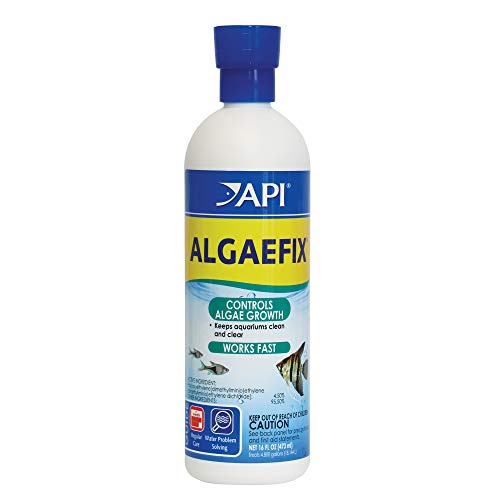
Best for: Ongoing maintenance in a compact system where algae blooms recur. The larger bottle supports extended use in small tanks without frequent repurchasing.
Why chosen: It offers similar algae-targeting action as the 4-ounce, but in a volume better suited for steady, longer-term management. This helps keep a 3-gallon betta tank consistently clearer over time.
Limitations: More product to manage and dose; ensure accurate measurement to avoid under- or over-dosing in a tiny tank.
Tetra No More Algae Tablets

Best for: Glass or acrylic tanks in freshwater setups where algae growth is a persistent concern. Tablets dissolve gradually, contributing to algae suppression while maintaining clearer water.
Why chosen: This option is convenient for small tanks because tablets can be placed where algae tends to gather, reducing maintenance between water changes.
Limitations: Tablets must be used as directed, and heavy algae blooms may require additional cleaning or filtration improvements for a thriving 3-gallon betta setup.
Aqueon Aquarium Algae Scraper
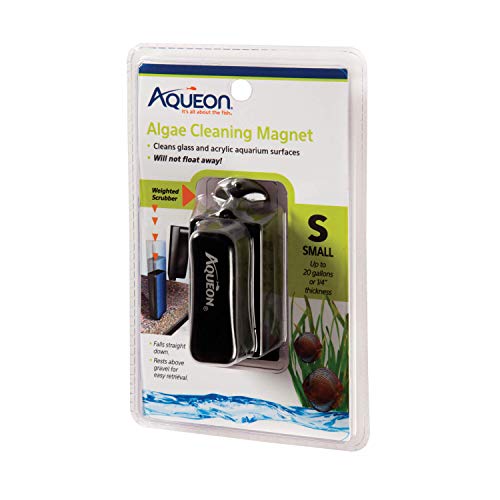
Best for: Regular maintenance to keep glass clean between chemical treatments. The external magnet design makes cleaning easy without disrupting the water column.
Why chosen: In a 3-gallon betta tank, ease of use is critical. This tool provides a quick, safe method to remove algae from the interior surface, complementing any chemical or dietary algae control strategy.
Caution: The magnet and scrubber must be used gently to avoid scratching acrylic tanks or disturbing shy bettas during cleaning sessions.
Buying Guide: Key Considerations For Small Betta Setups
Tank size and inhabitants strongly influence algae control choices. In a 3-gallon betta tank, prioritize products that work quickly, minimize dosing risk, and support a balanced water environment. Consider the following:
- Algae type and bloom severity: Green water, hair algae, and bacterial blooms each respond differently. Start with a mild approach and scale as needed.
- Product form and compatibility: Liquid concentrates and wafers/tablets offer different dosing patterns. Choose what aligns with your maintenance routine.
- Water changes and filtration: Small tanks benefit from regular partial changes and gentle filtration to reduce nutrients fueling algae growth.
- Fish safety: Ensure chosen products are labeled safe for bettas and do not disrupt their stress thresholds or activity.
- Long-term maintenance: Balance chemical treatments with physical cleaning (scraping) and diet-focused controls to avoid dependency on chemicals.
Frequently Asked Questions
- What is the best algae control for a 3-gallon betta tank?
Start with a mild, targeted Algaefix product and pair with regular water changes and scrapers for best results. - Can bettas coexist with algae-eating wafers or tablets?
Yes, if the resident is compatible with the food form and the feeding is monitored to avoid overfeeding. - Should I rely on chemicals or physical cleaning for algae in a small tank?
A combination of physical cleaning and careful chemical use tends to yield clearer water without stressing the betta. - Are algae scrapers safe for acrylic tanks?
Use scrubbers designed for acrylic and avoid hard scrubs to prevent scratching. - How often should I clean a 3-gallon betta tank?
Perform partial water changes (about 20-30%) weekly and clean algae from glass or acrylic as needed.