Best Aquarium Plants Ground Cover for Freshwater Tanks and Paludariums
Having a lush carpet of live plants in a freshwater tank helps reduce algae, improves water quality, and provides shelter for shy fish. This guide highlights five reliable ground-cover options ideal for aquariums, terrariums, and paludariums. It’s best for beginner aquarists seeking low-maintenance coverage, while experienced hobbyists can use these as a foundation for creative aquascapes. Each option is evaluated for growth speed, temperature needs, and suitability for different aquatic setups. The table below summarizes the top picks to compare at a glance.
| Product | Best For | Key Benefit | Limitations |
|---|---|---|---|
| YIZIMONA Aquarium Plant Seeds | Small tanks, planted forests | High germination rate; easy to grow | Seeds require steady moisture; pace of growth varies |
| Marcus Fish Tanks 3x Monte Carlo Pots | Live plant enthusiasts | Compact Monte Carlo ground cover; 2″ pots | Live plants can be sensitive to extreme temps |
| Water Spangle Salvinia Minima | Floating carpets and surface interest | Low maintenance, floating coverage | Temperature sensitivity; surface-dominant growth |
| Shore Aquatic Monte Carlo (3-pack) | Small to mid-size tanks | Three potted Monte Carlo for easy mixed planting | Size may vary; delicate in cold weather |
| 3 Pack Lucky Grass Ground Cover | Budget-friendly carpet boost | Fast sprouting and dense cover | Temperature range matters for consistent growth |
YIZIMONA Aquarium Plant Seeds

Best for: Small freshwater tanks and hobbyists who want a fast-growing carpet with a mix of mini-leaf and long-hair grass. This product emphasizes a high germination rate and stability after several cultivation generations, making it suitable for new tanks that need quick coverage.
Why selected: The combination of mini-leaf and long-hair grass provides immediate visual interest and a natural-looking carpet. It is described as easy to grow with moderate ambient temperatures and moisture—ideal for beginners setting up a new aquarium.
Limitations: Seed germination can depend on consistent moisture and temperature. Growth pace may vary between tanks, and initial care is required to prevent early die-off during establishment.
Freshwater Decor: Lucky Grass Ground Cover
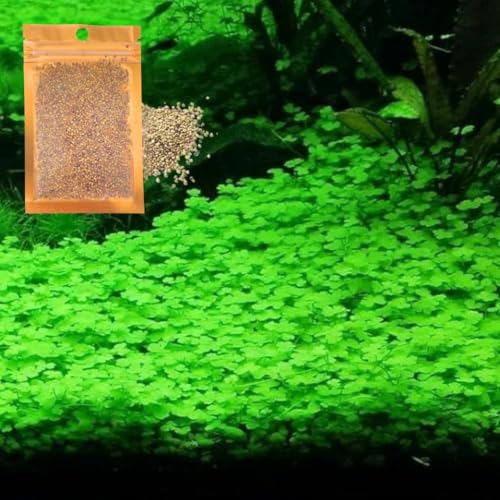
Best for: Aquariums and terrariums needing rapid, dense carpet growth. The “Lucky Grass” option is designed for fast sprouting and thick coverage, offering a bright, uniform lawn-like look.
Why selected: It promises a quick 7–15 day transition to a lush surface, with leaves reaching a healthy 0.78 to 2 inches. It thrives in typical freshwater tank conditions and benefits from steady temperatures around 25–28 °C.
Limitations: Like other live plant options, it requires consistent warmth and moisture. It may require replenishment and trimming to maintain a compact carpet.
Shore Aquatic Monte Carlo (3 Pots)
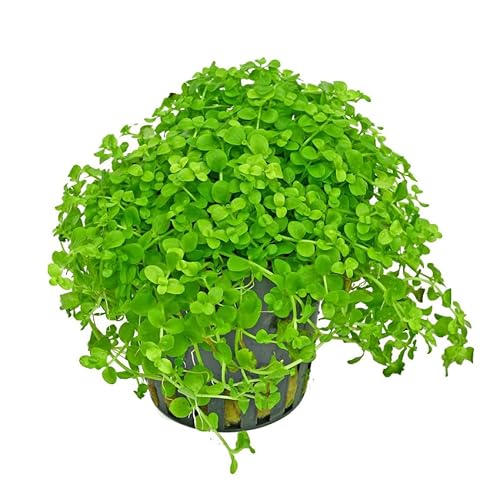
Best for: Hobbyists who want a compact Monte Carlo carpet with ready-to-plant pots. The three-pot option helps establish a more robust carpet quickly in small to mid-size tanks.
Why selected: These are live plants in pots, which makes transplanting straightforward. They provide uniform height and a clean look as a foundational carpet for future scaping.
Limitations: Temperature swings can stress live plants; avoid ordering during extreme cold or heat. Pots are small, so some careful spacing is needed during planting.
3 Pack Lucky Grass Ground Cover

Best for: Budget-conscious buyers wanting a quick carpet upgrade. This 3-pack offers dense coverage similar to other Lucky Grass options with broader planting versatility.
Why selected: The product mirrors the single-pack Lucky Grass in growth potential and warm-temperature needs while expanding coverage with multiple pots. It fits users who want a coordinated trio of plants for a larger area.
Limitations: As with other live plants, establishment depends on stable tank conditions and proper acclimation after shipping.
Buying Guide: Ground-Cover Planting For Freshwater Tanks
- Test tank size and layout: Choose carpet plants that fit the footprint and desired density of your substrate.
- Growth speed vs. maintenance: Fast growers fill space quickly but may require regular trimming; slower varieties offer a steady, low-maintenance option.
- Temperature and lighting: Most ground covers in this list thrive at roughly 25–28 °C with moderate lighting; verify your tank’s lighting regime.
- Plant type decisions: Seed-based options can be affordable for large areas but may require more care initially; potted or live plants provide instant coverage with established roots.
- Tank inhabitants: Consider how fish and invertebrates interact with carpeting plants; some species may uproot or graze on tender sprouts.
- Carpet maintenance: Regular trimming keeps carpeted areas tidy and prevents light from penetrating too deeply into substrate, which can affect algae growth.
Frequently Asked Questions
- What is the best beginner ground-cover plant for a small tank? A seed-based option with consistent moisture often suits beginners, but high germination rates like YIZIMONA seeds can help establish a carpet quickly.
- How soon will ground-cover plants fill my aquarium? It varies by plant type; dense options can begin forming a visible carpet within 1–3 weeks with proper care.
- Do ground-cover plants require special substrate? Many work with standard aquarium substrate, though slightly richer substrates or root tabs can speed growth for rooted varieties.
- Can floating plants contribute to a carpeted look? Yes, floating plants like Salvinia Minima can complement ground covers by shading algae-prone areas and softening light.
- Are these plants safe for fish and invertebrates? Generally yes, but always introduce new species gradually and monitor for any adverse reactions.
- What should I avoid when buying live carpet plants? Avoid plants during extreme weather conditions or when sudden temperature changes are expected; acclimate slowly to tank conditions.