Best Sand for Cichlids: Top Aquarium Substrates for pH Buffering and Color
Answering the question, which aquarium sand works best for African cichlids? This guide highlights five top substrates that support stable pH, natural behavior, and vibrant colors. Each option targets different tank goals—buffering capability, natural mimicry of Rift Lake environments, and ease of cleaning. The best picks are suited for cichlid keepers seeking reliable buffering, clear water, and a natural-looking bottom. The table below summarizes the selected products to help quick decisions.
| Product | Best For | Why It Stands Out |
|---|---|---|
| Aqua Natural African Cichlid Aragonite 10LB | Buffering and pH stability | High calcium carbonate content; pH tends toward 8.2; natural oolitic aragonite |
| Carib Sea African Cichlid Mix Sahara Sand – 20 lb | Authentic Rift Lake look | Environment-mimicking color and texture; pH buffering helps stability |
| Aqua Natural Sugar White Sand 10lb | Clean, bright aquascapes | Triple washed, kiln dried; low fines and minimal clouding |
| CaribSea Aquatics Eco-Complete African Cichlid Zack Sand | Natural black substrate | Dark color enhances fish colors; designed for African cichlids |
| Aqua Natural African Cichlid Aragonite 20LB | Extended buffering and bulk | High purity calcium carbonate; renewable aragonite |
Aqua Natural African CICHILD Aragonite 10LB

Best for buyers prioritizing buffering and pH stability. This aragonite sand is 98% pure calcium carbonate, offering unsurpassed buffering that helps maintain pH around 8.2. The naturally renewable oolitic aragonite imitates natural Rift Lake substrates, providing a stable environment for African cichlids. Suitable for larger tanks and crowded setups where pH drift is a concern. Caution: high buffering can raise alkalinity; monitor water chemistry in sensitive systems.
Carib Sea African Cichlid Mix Sahara Sand
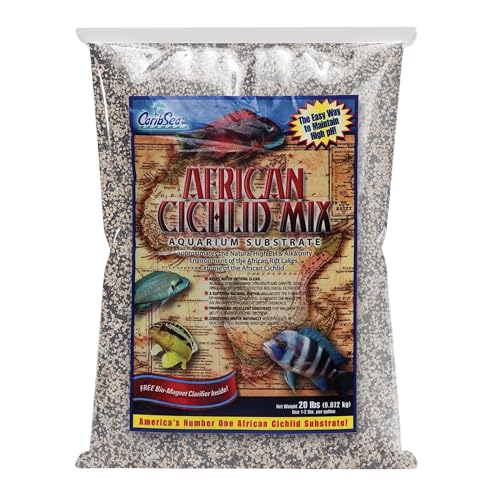
Best for recreating a Rift Lake habitat with an authentic look. Sahara Sand buffers pH to support long-term stability and enhances water clarity thanks to its natural composition. This substrate is especially suited for densely stocked African cichlid tanks where a realistic bottom substrate helps reduce stress. Limitation: color and texture may vary slightly between batches; expect slight differences that mimic natural environments.
Aqua Natural Sugar White Sand 10lb

Best for bright, clean aquascapes and smaller to mid-sized tanks. This sand is triple washed and kiln dried, with zero toxins and no foreign matter. Its fine-to-medium grain size (0.5-1mm) reduces cloudiness and minimizes substrate blow-around, which helps maintain clear water. Ethically sourced in New Zealand. Limitation: its light color may highlight waste more readily, requiring regular maintenance.
CaribSea Aquatics Eco-Complete African Cichlid Zack Sand
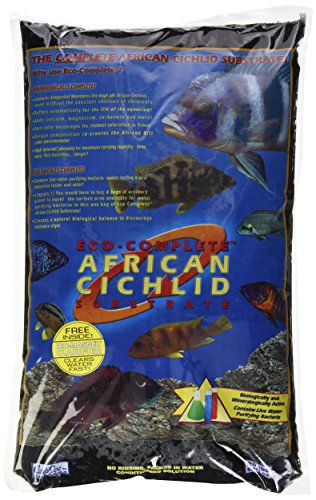
Best for a dark substrate that makes cichlids’ colors pop. Eco-Complete Zack Sand provides a natural, black appearance that complements vibrant fins and patterns. It’s designed for African cichlids and can help create a dramatic tank aesthetic. Caution: color depth can influence the perceived tank brightness; pairing with appropriate lighting enhances the effect.
AquaNatural African CICHILD Aragonite 20LB

Best for larger setups or when extended buffering is required. This 20-pound bag provides the same high-purity aragonite and buffering capability as the 10-pound version, helping maintain pH around 8.2. It’s a renewable substrate option with strong calcium carbonate content. Limitation: heavier bags can be harder to handle and may require larger containers or more vigorous cleaning during setup.
Aqua Natural Oolitic Aragonite 10lb Aquarium Sand

Best for reef, saltwater, and marine tanks that also house African cichlids with aragonite buffering. Keeps pH stable around 8.2 and uses 98% pure calcium carbonate. It’s ethically sourced from renewable sources. Limitation: primarily marketed for mixed reef environments; verify compatibility with freshwater cichlid setups if your tank is not exclusively freshwater.
Aqua Natural Oolitic Aragonite 20lb
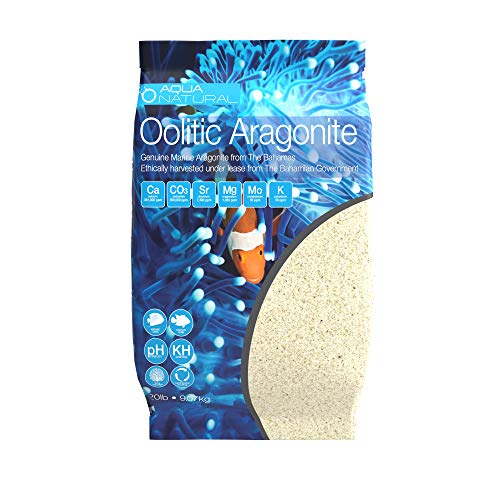
Best for larger African cichlid setups requiring extended buffering and a robust substrate. The 20-pound size offers long-term coverage with 98% pure aragonite and renewable sourcing. It provides a steady pH of 8.2, aiding stability. Caution: heavier content may require careful maintenance when transitioning between substrates in established tanks.
Buying Guide: Key Considerations For Cichlid Substrates
- Buffering Capacity: If your goal is precise pH control around 8.0–8.2, choose aragonite-based sands with high calcium carbonate content.
- Substrate Color: Dark substrates can enhance the appearance of fish coloration; light sands brighten the tank but may highlight waste.
- Grain Size and Flow: Fine sands are prone to clouding and movement; medium grains reduce cloudiness and keep the substrate settled.
- Tank Size and Maintenance: Larger bags reduce restocking frequency but are heavier to handle; plan for ongoing cleaning and substrate refreshes.
- Natural Look vs. Practicality: Authentic Rift Lake appearances look appealing, but practical concerns like water clarity and maintenance influence choice.
- Source and Sustainability: Ethically sourced sands from renewable or sustainable quarries help ensure long-term supply and environmental responsibility.
Frequently Asked Questions
- Why do cichlids prefer aragonite sand?
It buffers the water and maintains a stable pH favorable for many African cichlids. - Is darker sand better for cichlids?
Dark sand can enhance fish coloration and reduce the visibility of waste in some setups. - Can I mix sands?
Mixing sands is possible but may create uneven buffering; proceed with caution and monitor chemistry closely. - How often should I rinse new substrate?
Rinse thoroughly before adding to the tank to minimize initial cloudiness and debris. - Which substrate is best for large tanks?
Larger bags of aragonite or eco-complete substrates provide extended coverage and buffering for bigger systems. - Do these sands affect water hardness?
Yes, aragonite sands add buffering capacity and calcium carbonate, which can raise alkalinity over time; monitor regularly.