Best Aquarium Tap Water Filters for Cleaner and Safer Fish Tanks
Maintaining clean, safe water is essential for a thriving aquarium ecosystem. Choosing the right aquarium tap water filter helps remove harmful chemicals, sediments, and minerals that may damage aquatic life. Below is a comparison of top-rated water filtration products designed to improve the quality of your aquarium tap water.
| Product | Brand | Key Feature |
|---|---|---|
| Aquatic Life RO Buddie 4-Stage RO/DI System | Aquatic Life | 50 GPD, 4-stage filtration, superior removal of TDS and sediments |
| API Water Softener Pillow Canister Filter | API | Softens hard water by reducing calcium and magnesium |
| API Tap Water Conditioner 16 oz | API | Neutralizes chlorine and chloramines, prevents fish irritation |
| Waterdrop Faucet Water Filter NSF Certified | Waterdrop | Reduces chlorine and odors, NSF certified, compatible with standard faucets |
| NICREW Slim Aquarium Filter for 5 Gallons | NICREW | Quiet operation, adjustable flow, compact for small tanks |
Aquatic Life RO Buddie 4-Stage Reverse Osmosis System

The Aquatic Life RO Buddie features a 4-stage reverse osmosis filtration that produces up to 50 gallons of purified water daily. Its RO membrane filter effectively reduces Total Dissolved Solids (TDS) to a minimal ratio of 1 out of 10,000, delivering superior water quality suitable for sensitive aquarium environments. The sediment filter captures sand, silt, and other particles that cloud water and impact visual clarity. This system offers an optimal solution for hobbyists looking to maintain pristine tap water conditions free of contaminants.
API Water Softener Pillow Canister Filter Pouch
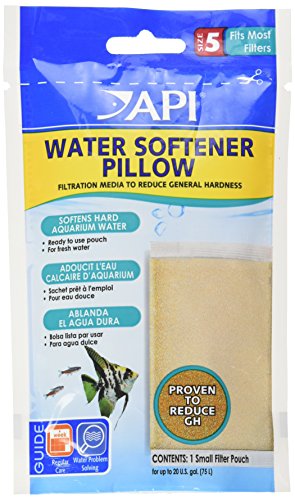
This filtration pouch softens hard water by reducing calcium and magnesium levels, which are common contributors to water hardness. It comes in a single-count pack intended for aquarium canister filters, helping maintain balanced water chemistry to protect fish health. Ideal for aquariums where mineral buildup can affect aquatic life and plant growth, it supports healthier environments by lowering general hardness effectively.
API Tap Water Conditioner 16-Ounce Bottle

The API Tap Water Conditioner neutralizes harmful chlorine, chloramines, and other chemicals often found in tap water, making it safe for aquarium fish. It prevents damage to gills and reduces tissue irritation, lowering the risk of fish mortality caused by untreated tap water chemicals. This 16-ounce bottle is suitable for regular water conditioning in both freshwater and saltwater tanks.
Waterdrop NSF Certified Sink Faucet Water Filter

Waterdrop’s faucet water filter offers NSF-certified reduction of chlorine, taste, and odor, improving tap water quality directly from your kitchen sink. Its lead-free materials ensure safer water for aquarium use, though it does not reduce TDS levels. Compatible with standard faucets (excluding spray or sensor types), it provides up to 320 gallons of cleaner water over about three months per filter. Replacement filters are available for extended use.
NICREW Slim Aquarium Filter for Nano Tanks

The NICREW Slim Aquarium Filter is designed for small tanks up to 5 gallons. It features a compact, slim profile that’s unobtrusive inside the aquarium, offering quiet and adjustable water flow. Its patent-pending priming system enables easy startup and automatic restart after power outages. This filter is especially suitable for delicate species like bettas and shrimp requiring gentle water movement without disturbance.
Buying Guide for Aquarium Tap Water Filters
Choosing the best aquarium tap water filter involves several factors to ensure your aquatic environment remains healthy and balanced. Consider the following aspects to make an informed purchase:
Filtration Method and Effectiveness
- Reverse Osmosis (RO) and Deionization (DI) Systems: Best for removing dissolved solids, harmful chemicals, and minerals, providing ultra-pure water ideal for sensitive freshwater and saltwater tanks.
- Chemical Conditioners: Neutralize chlorine, chloramines, and detoxify heavy metals without physically filtering particles.
- Water Softening Media: Reduce hardness by removing calcium and magnesium, preventing scale buildup.
- Mechanical Filtration: Sediment filters catch particulate matter to maintain clarity.
Compatibility with Your Setup
- Faucet Type: Some faucet filters only fit standard faucets, not spray or sensor types. Verify compatibility before purchase.
- Aquarium Size: Ensure the filtration system flow rate and capacity match your aquarium volume.
- System Complexity: RO/DI systems require installation and maintenance; simpler conditioners or softeners might suit beginners.
Water Parameters and Testing
Regularly testing your tap water’s Total Dissolved Solids (TDS), chlorine levels, and hardness helps determine the filtration needs. For example, high TDS levels call for an RO system, while moderate issues might be treated with conditioners or softeners. Using a reliable TDS meter can assist in monitoring water quality.
Maintenance and Filter Lifespan
- Consider how often filters require replacement or system servicing.
- Filter lifespan affects ongoing costs and ease of use.
- Masks and cartridges with longer active life minimize maintenance frequency.
Water Output Volume
Assess your daily water needs for water changes and supplementation. High-capacity systems like the Aquatic Life RO Buddie can produce up to 50 gallons daily, while smaller tap filters cater to lower output but with less contaminant reduction.
Budget Considerations
Balance quality and price, factoring in initial cost, replacement filters, and potential installation expenses to fit your budget and aquarium goals.