Answer: Bettas thrive with plants that offer hiding spots, grazing surfaces, and gentle current. This guide highlights top plant options—both silk and live—that are safe for betta fish, easy for beginners, and visually appealing in American home aquariums. The selections favor softer textures, low to moderate light needs, and clear buy-by criteria such as safety, maintenance, and space fit. This helps buyers pick plants that suit smaller bowls to larger 40-gallon setups while keeping fins intact and water quality stable.
Buyer quick look table
| Product | Best For | Key Benefit | Limitations |
|---|---|---|---|
| UreverFins Silk 10 Pack | Small to mid-sized tanks | Soft, fin-safe silk leaves | Silk, not live |
| Java Fern & Anubias Live Bundle | Low-maintenance live plants | Natural look, easy growth | Temperature sensitivity |
| UreverFins 6-in Soft Silk Plants | Background/foreground filler | Soft edges, realistic driftwood base | Silk material |
| Water Spangle (Salvinia Minima) | Floating coverage | Floating cover; low light | Temp sensitivity; potential escape |
| Canton Aquatics Assorted Mixed Plant Bundle | Versatile placement | Mixed textures for depth | Varies by plant |
UreverFins Silk 10 Pack Aquarium Plants

Best for: Bettas and small tanks needing safe, visually natural decor. These silk plants are sized to fit 5-40 gallon setups, offering two large-leaf options with driftwood bases plus eight smaller plants with weighted bases. They provide fill, hiding spots, and a soft resting surface without sharp edges. The plants are designed to be fin-safe and easy to install, making them a solid choice for beginners and experienced aquarists alike. A caution: silk plants can fade in intense light and may require periodic cleaning.
Java Fern And Anubias Live Plant Bundle
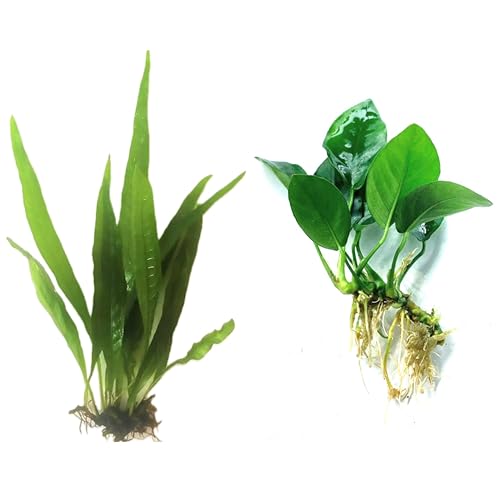
Best for: Betta tanks where ongoing live plant care is feasible. Includes one Anubias barteri and one Java fern, both known for low-maintenance growth and resilience. Live plants contribute to natural behavior, offer grazing surfaces, and improve water quality through photosynthesis. Note: extreme temperatures can stress live plants; avoid ordering when daytime lows fall below 30F in winter. Plants vary slightly in size but generally stay compact in small to medium tanks.
UreverFins 6-in Soft Silk Aquarium Plants

Best for: Filling midground and adding soft, natural textures without risking fish fins. The 6-inch silk plants feature soft, smooth edges and a driftwood-inspired base for a realistic look. They appeal to bettas that enjoy exploring plant stalks and resting among foliage. Caution: silk can degrade over time in very intense lighting or aggressive tank cleaners; regular gentle cleaning helps maintain appearance and safety.
Water Spangle, Salvinia Minima

Best for: Floating coverage and surface shading in lightly lit tanks. Salvinia minimizes light penetration, which can help reduce algae while giving bettas a restful surface area. It’s low-maintenance and grows well in freshwater. Caution: temperature sensitivity; order only if temperatures are consistently within the plant’s preferred range. Overgrowth may require occasional thinning to maintain balance.
Canton Aquatics Assorted Mixed Plant Bundle

Best for: Beginners and flexible layouts that need varied heights and leaf textures. This assorted bundle offers greenhouse-grown, low to high light tolerant plants suitable for different tank zones. It’s ideal for community tanks, shrimp tanks, and mixed planted setups. A limitation: plant variety means some pieces may require different care, so match light and water parameters to the most demanding plant in the group.
Buying Guide: How To Choose Betta-Friendly Plants
- Silk vs. Live: Silk plants are fin-safe and low-maintenance but do not provide natural nutrients or real leaf shedding. Live plants improve water quality and natural behavior but require consistent light and sometimes temperature stability.
- Tank Size And Placement: For small tanks, place low-height silk plants in the foreground and soft-textured pieces in midground. In larger tanks, mix in live plants like Java fern and Anubias for depth and natural hiding spots.
- Safety First: Bettas have delicate fins. Avoid sharp edges and brittle plastics. Prefer silk or smoothly textured leaves with rounded edges.
- Light And Temperature: Live plants generally need sufficient light; check each plant’s tolerance. Floating plants like Salvinia Minima provide shade but prefer stable temperatures to avoid stress.
- Maintenance Considerations: Silk plants are easier to clean and less prone to algae than some live species. For live plants, consider fertilization needs and potential algae control strategies.
Frequently Asked Questions
- What type of plant is best for a betta in a small tank?
Silk plants are a safe, low-maintenance choice for small tanks, offering soft textures and no sharp edges.
- Can bettas live with live aquarium plants?
Yes, many bettas benefit from live plants like Java fern and Anubias, which help improve water quality and provide natural hiding spots.
- Do floating plants help bettas?
Floating plants like Salvinia Minima offer surface cover and shade, which can calm some bettas and reduce surface agitation.
- How many plants should I add to a 5-gallon betta tank?
Start with 2-4 plants of varying heights, ensuring enough open swimming space and safe zones for rest.
- Are there any plants to avoid with bettas?
Avoid plants with sharp edges or brittle stems that can snag fins or easily break under betta swimming pressure.
- Should I mix silk and live plants?
Yes. A combination can provide immediate aesthetics from silk plants and long-term water quality benefits from live plants.