Best Blue Aquarium Light Bulbs for Terrariums and Aquariums
Find the right blue light bulb to enhance color, heat, and daytime activity for your aquatic or terrarium setup. This guide highlights five options that balance color ambiance, heat output, and longevity. Best for hobbyists who want vivid blue illumination without complicating installation, these selections cover underwater LEDs, reptile bulbs adapted for aquariums, and utility fixtures. Each is evaluated for suitability, installation style, and practical trade-offs.
| Product | Brand | Type | Best For |
|---|---|---|---|
| Zoo Med Daylight Blue Reptile Bulb (Set of 2) 60W | Zoo Med | Incandescent blue bulb | Terrarium setups needing blue heat and UVA for activity |
| Fluker’s Reptile Incandescent Blue Daylight Bulb 100W | Fluker’s | Incandescent blue bulb | Daytime heat and UVA for reptiles and amphibians |
| AQUANEAT Aquarium LED Submersible Light 7.5″ (Blue) | AQUANEAT | Submersible blue LED | Underwater color enhancement and ambient tank lighting |
| iKefe 15″ White & Blue Submersible LED Light | iKefe | LED submersible with blue/white modes | Aquarium color enhancement with timer and dimming |
| Zoo Med Daylight Blue Reptile Bulb 40W (2-Pack) | Zoo Med | Incandescent blue bulb | Compact blue heating and UVA for small enclosures |
Zoo Med Daylight Blue Reptile Bulb (60W) — Set of 2
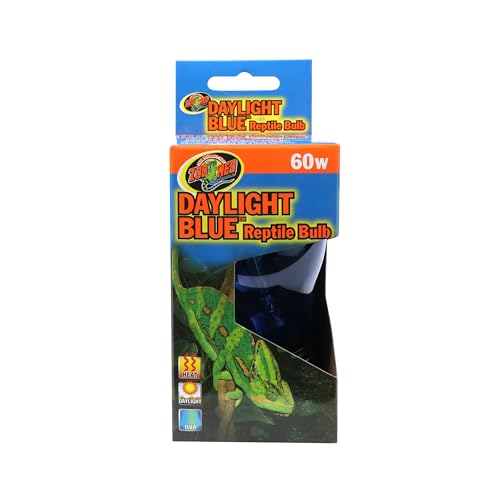
The Zoo Med 60W Daylight Blue Reptile Bulb uses true blue glass, not paint or coating, to optimize heat transfer in terrarium hoods. It provides UVA rays to support natural feeding behaviors and psychological well-being in reptiles and amphibians. Best for larger enclosures where blue lighting complements basking zones and heat needs. A potential limitation is that it is designed for reptiles, not aquatic fish, so placement should consider housing type.
Fluker’s Reptile Incandescent Blue Daylight Bulb — 100W

Fluker’s 100W Blue Daylight Bulb provides radiant daytime heat and UVA rays to stimulate normal feeding behavior. This option is suitable for reptiles and amphibians requiring higher heat output, especially in cooler or larger enclosures. Choose this if you need robust daytime heating; avoid if your tank relies primarily on low-wattage bulbs or if you’re aiming for aquatic-only illumination.
AQUANEAT Aquarium LED Submersible Blue Light (7.5″)

This 7.5-inch underwater LED light is designed for tanks 8″-12″ in length. It is completely waterproof and seals to deliver vivid blue illumination that enhances color in the tank and creates a striking aquascape. Best for small to mid-sized freshwater or saltwater setups where a durable, sealed light is desired. A limitation is that it’s a fixed size light; larger tanks may require multiple units for even coverage.
iKefe 15″ White & Blue Submersible LED Light

The iKefe light offers three lighting modes: blue, white, or a combination. It includes a built-in timer with 6, 10, or 12-hour cycles, making it convenient for automatic daily lighting. Best for hobbyists wanting color accent and plant support without extra timers. A caveat is that the timer is fixed to the unit and may require manual adjustment if your schedule changes frequently.
Zoo Med Daylight Blue Reptile Bulb — 40W (2-Pack)
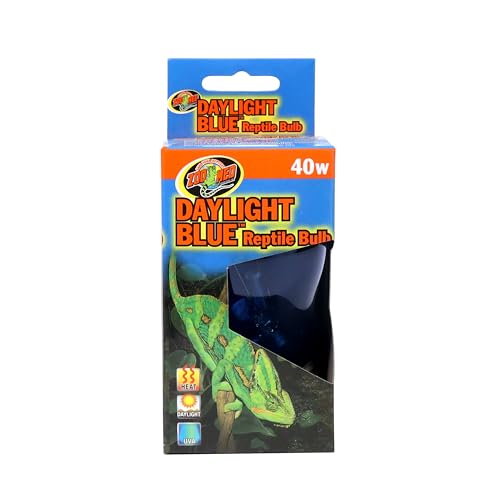
Zoo Med’s 40W two-pack provides a compact blue heating option with true blue glass for improved heat transfer and UVA rays for reptile activity. Best for smaller enclosures or as a supplementary blue light in mixed lighting setups. A limitation is lower wattage, which may not meet heating needs in larger terrariums.
Buying Guide
What to consider when selecting blue bulbs for aquariums or terrariums
- Purpose: Is the blue light primarily for heat, color enhancement, or plant growth? Reptile bulbs focus on heat and UVA, while LED blue lights emphasize color and underwater effects.
- Tank or enclosure size: Higher-wattage bulbs provide more heat, but may overheat small enclosures. Submersible LEDs distribute light differently than surface bulbs.
- Waterproofing and mounting: Underwater lights require fully sealed fixtures. Ensure the bulb type matches your fixture design and installation constraints.
- Compatibility: Check whether the bulb is designed for horizontal hoods or submerged use and whether it supports timers or dimming if desired.
- Color spectrum: Continuous blue glass vs. coated options can affect heat transfer and lifespan. True blue glass generally offers consistent heat characteristics.
Frequently Asked Questions
- What is the main difference between blue LED and blue incandescent bulbs?
– LEDs are energy efficient and last longer; incandescent bulbs provide warmer heat and broader spectrum but consume more power. - Can blue bulbs heat a terrarium?
– Yes, especially incandescent blue bulbs can contribute daytime heat; however, verify your enclosure’s heat requirements to avoid overheating. - Are blue lights good for fish tanks?
– Blue lighting can enhance nocturnal viewing and coral color but may affect some fish behavior; ensure compatibility with fish species and plants. - Do blue bulbs promote plant growth?
– Blue wavelengths support vegetative growth in many aquatic plants, particularly when used along with blue-green spectrum LEDs. - How should I position blue bulbs in a terrarium?
– Place blue heat sources to cover basking areas while avoiding direct contact with sensitive inhabitants; balance with a daytime light cycle. - What maintenance is needed for blue bulbs?
– Regular checks for flicker, heat distribution, and fixture cleanliness help maintain consistent performance and safety.