Best Clay Substrate Options for Healthy Aquariums and Planted Tanks
Choosing the right clay substrate for your aquarium is critical to establishing a thriving aquatic environment, especially for planted tanks and shrimp habitats. Clay substrates provide essential nutrients and promote strong root growth, benefiting a variety of freshwater plants, shrimp, and fish. Below is a comparison table highlighting five top-rated clay substrates available on Amazon, followed by detailed product insights to help you find the ideal option for your aquarium setup.
| Product | Brand | Weight/Volume | Ideal Use | Key Feature |
|---|---|---|---|---|
| Aqueon Plant and Shrimp Aquarium Substrate | Aqueon | 5 lbs | Freshwater plants, shrimp, tropical fish | Promotes growth of various freshwater plants |
| Seachem Flourite Black Clay Gravel | Seachem | 15.4 lbs | Natural planted aquariums | Stable porous clay gravel; no additives needed |
| LANDEN Aqua Soil Substrate | LANDEN | 5 L (approx. 10 lbs) | Aquatic plants and shrimp | Rich in minerals and trace elements for healthy growth |
| Fluval Plant and Shrimp Stratum | Fluval | 4.4 lbs | Planted freshwater tanks, shrimp safe | Porous structure supports beneficial bacteria and pH balance |
| Riare Expanded Clay Balls Terrarium Substrate | Riare | 10 lbs | Reptiles, terrariums, bioactive aquariums | Lightweight, porous pebbles for drainage and moisture retention |
Aqueon Plant and Shrimp Aquarium Substrate 5 Pounds, Brown
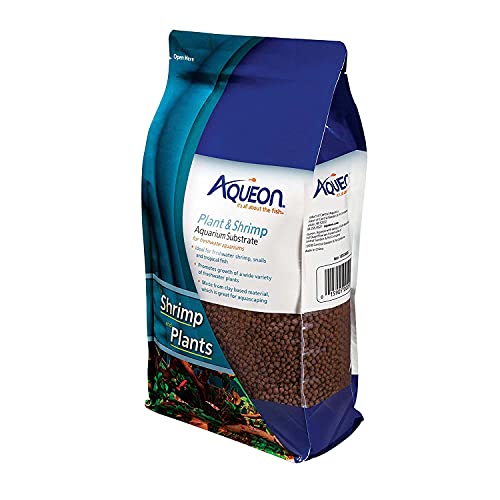
The Aqueon Plant and Shrimp substrate comes in a convenient 5-pound bag and is designed to support diverse freshwater plants, shrimp, snails, and tropical fish. This substrate actively promotes the growth of plants by providing a nutrient-rich base, which is excellent for aquarists aiming to create vibrant planted tanks. The brown color complements natural aquascapes.
Key features include its versatility in freshwater setups and its beneficial effects on plant health, making it a practical choice for those who want a balanced substrate suitable for various species without intensive maintenance.
Seachem Flourite Black Clay Gravel – Stable Porous Natural Substrate

Seachem Flourite Black is a unique stable porous clay gravel designed specifically for natural planted aquariums. Its black color is particularly attractive in aquascaping and it does not require gravel modifiers like laterite, meaning it can be used as a standalone substrate.
The substrate encourages strong root development and supports beneficial bacteria in the substrate bed. During setup, it is advised to slowly add water using a bowl to minimize disturbance and allow particles to settle. Initial cloudiness is normal and can be filtered mechanically.
LANDEN Aqua Soil Substrate for Natural Planted Aquariums
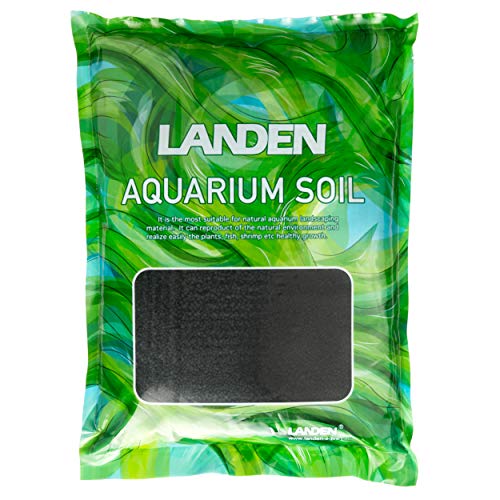
Made from specially processed natural earth materials, the LANDEN Aqua Soil is rich in minerals, trace elements, organic acids, and nitrogen nutrients which enhance the health and root system development of aquatic plants. It is an excellent substrate for shrimp requiring softer water and favors mildly acidic conditions.
This substrate has a porous structure that fosters beneficial bacteria growth helping maintain clean water. New aquarium owners should expect some fluctuation in ammonia and perform partial water changes during the initial period for stability.
Fluval Plant and Shrimp Stratum for Freshwater Tanks
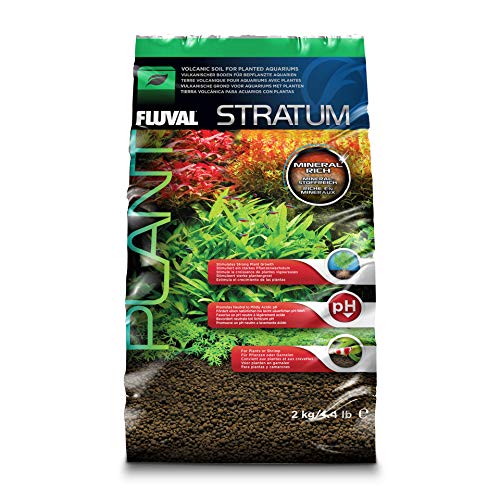
Fluval’s Plant and Shrimp Stratum supports rapid colonization of beneficial nitrifying bacteria thanks to its porous structure. It is formulated to maintain a neutral to slightly acidic pH for optimal plant and shrimp growth, creating a natural aquatic environment.
This substrate provides a safe refuge for newborn shrimp, protecting them from predators until mature. Its granular texture is both attractive and functional for planted aquariums, helping keep the water chemistry ideal.
Riare Expanded Clay Balls Terrarium Substrate

The Riare Expanded Clay Balls are lightweight, porous, 100% organic clay pebbles that serve as an excellent drainage and moisture retention medium. Though designed primarily for terrariums and reptiles, these clay balls are also highly effective as a drainage layer or bioactive substrate in aquariums, supporting filtration and decomposition of waste.
Packaged in a resealable foil bag, the clay balls are pH neutral and durable after soaking. They contribute to cleaner tank environments by decomposing food residue and enhance plant root oxygenation when used appropriately.
Buying Guide for Clay Substrates in Aquariums
Selecting the best clay substrate involves evaluating key factors to ensure a healthy and thriving aquatic environment:
- Composition and Porosity: Porous substrates promote beneficial bacteria colonization, essential for the nitrogen cycle and water quality. Products like Fluval Stratum and Seachem Flourite excel in this regard.
- Nutrient Content: Look for substrates rich in minerals, iron, and trace elements which support aquatic plant growth. Natural soils or processed clays like LANDEN Aqua Soil provide these nutrients.
- Compatibility with Inhabitants: Consider if the substrate is shrimp-safe and appropriate for tropical fish. Substrates like Aqueon and Fluval are designed for shrimp and delicate aquatic life.
- pH Balance and Water Chemistry: Some substrates acidify water slightly to mimic natural habitats, which benefits certain plants and shrimp. Test pH stability and water parameters accordingly.
- Appearance and Grain Size: Aesthetic preference varies — black clay gravels enhance contrast in planted tanks, while brown or natural colors suit different styles. Grain size affects root penetration and water flow, with finer granules better for delicate roots.
- Ease of Maintenance: Some clay substrates may cloud water during setup or require careful filling to avoid disturbance. Ensure your chosen substrate fits your maintenance routine and filtration capacity.
- Additional Uses: For bioactive or terrarium setups, substrates like Riare Expanded Clay Balls provide excellent drainage and moisture regulation, which can complement aquatic layers.
By carefully matching your aquarium’s needs with these considerations, you can create a robust substrate foundation that supports lush plant ecosystems and healthy aquatic life.