If you’re searching for delicate, low-maintenance greenery that thrives in compact spaces, Baby Tears plants (Pilea depressa) are a prime choice. This guide highlights five Amazon offerings that suit beginners and experienced growers alike, whether you want cascading ground covers, aquarium foregrounds, or terrarium-friendly greenery. Each option is evaluated for best use cases, potential limitations, and who will benefit most from choosing it. Read on to compare forms, pot sizes, and growing environments to find the right fit for your indoor jungle.
Buyer note: The top picks below focus on compact growth, vibrant green foliage, and ease of care. A quick reference table summarizes key details to help you compare at a glance.
| Product | Best For | Pot Size / Form | Key Trait |
|---|---|---|---|
| Baby Tears Plant in 2-Inch Pot – Lush, Delicate Groundcover for Indoors or Terrariums | Terrarium lovers and beginners | 2-inch pot | Trailing, high humidity tolerance |
| Marcus Fish Tanks – 3X Dwarf Baby Tears Hemianthus Callitrichoides Live Aquarium Plants | Aquarium hobbyists | 2-inch pots | Floating/foreground aquatic plant |
| Baby Tears Live Plants, Pilea depressa, Tiny Cascading Creeping Perennial with Rounded Green Leaves, 2.5″ Pot, 3 Pack | Compact ground cover or terrarium | 2.5-inch pots (pack of 3) | Cascading vines, dense foliage |
| Ultum Nature Systems Dwarf Baby Tears Cuba Tissue Culture Live Plant for Aquarium | Aquascaping enthusiasts | In vitro tissue culture | Snail-free, best in aquariums |
| Nettle ‘Baby’s Tear’ Live Plant for Indoor | Indoor décor and low-light spaces | 4″ & 6″ pots | Moss-like trailing foliage |
Baby Tears Plant in 2-Inch Pot – Lush Groundcover for Indoors or Terrariums
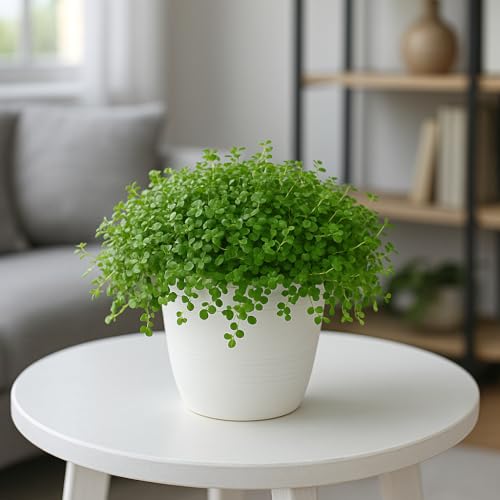
The CZ Grain Baby Tears offers bright, delicate foliage with a dense, spreading habit. Best for terrariums, bathrooms, or small indoor spaces where humidity is higher. Ideal for beginners due to its easy adaptability and charming, soft texture. Caution: keep soil consistently moist but not soggy to avoid root issues.
Best for: Terrarium enthusiasts and hobbyists seeking a graceful trailing plant for compact spaces. Choose this if you want a fast-growing groundcover that adds a soothing green backdrop to other greenery.
Marcus Fish Tanks – 3X Dwarf Baby Tears Hemianthus Callitrichoides Live Aquarium Plants

These 3 dwarf baby tears pots are designed for aquariums, providing a lush foreground in aquascapes. Best for seasoned aquatic hobbyists who maintain stable light and nutrient schedules. Caution: live plants can suffer in extreme temperatures; avoid orders when outdoor temperatures are expected to drop below 20°F at the coldest point of the day.
Best for: Aquarists building a vibrant underwater landscape. Choose this if you want a compact, carpet-like effect under proper lighting and water conditions.
Baby Tears Live Plants, Pilea depressa, Tiny Cascading Creeping Perennial

This trio of Pilea depressa offers dense cascading vines with tiny rounded leaves. Best for compact displays, terrariums, or as a ground cover in shaded indoor spaces. The set of three provides a ready-to-grow arrangement, ideal for ongoing coverage in small pots. Caution: not all varieties thrive in direct bright light; avoid placing in harsh sun.
Best for: Home decorators seeking a full, moss-like look with easy care. Choose this if you want a lush, three-plant arrangement to fill a shelf or terrarium edge.
Ultum Nature Systems Dwarf Baby Tears Cuba Tissue Culture Live Plant

These in vitro cultured Baby Tears are ideal for aquarium foregrounds and wet-green displays, with snail-free assurance. Best for aquascapers who want reliable growth under controlled lighting and nutrient regimes. Caution: can be tricky to plant initially due to small roots; requires careful substrate placement and regular care.
Best for: Serious aquascapers seeking clean tissue-culture stock for pristine, compact greens. Choose this if you’re building a detailed foreground carpet in a freshwater tank.
Nettle ‘Baby’s Tear’ Live Plant for Indoor

This indoor variety features dense, rounded green leaves on trailing stems, delivering a moss-like look. Best for low- to moderate-light spaces such as living rooms, offices, or bathrooms. Caution: while pet-friendly, avoid prolonged direct sun exposure which can scorch leaves.
Best for: Decorators seeking a soft, trailing evergreen to anchor shelves or terrarium edges. Choose this if you want a mossy texture without high light requirements.
Baby Tears/Tiny Tears – Pilea depressa – 2.5″ Pot

Correctly named Pilea depressa, this option is suited for terrariums, fairy gardens, and as a small indoor accent. Best for bright, indirect light. Caution: may require frequent trimming to maintain tidy cascading growth in tighter spaces.
Best for: Small-space planters wanting a compact, versatile green that tolerates indirect light. Choose this if you need a tidy, self-contained plant that blends into mixed arrangements.
Buying Guide
What should you look for when buying Baby Tears plants?
- Light: Most Baby Tears prefer bright, indirect light. Some varieties tolerate lower light, but growth may slow.
- Water: Consistently moist soil is key. Avoid soggy conditions to prevent root rot.
- Humidity: Higher humidity supports lush growth, especially in terrariums and bathrooms.
- Growth habit: Trailing or cascading forms are ideal for shelves, terrariums, and edge plantings; compact foreground types work well in aquariums.
- Container and spacing: Smaller pots suit terrariums or foreground displays; consider groupings for fuller coverage.
How to care for Baby Tears plants?
Maintain even moisture, provide good airflow to prevent mold in terrariums, and trim leggy growth periodically to keep a dense appearance. For aquarium variants, ensure suitable substrate and regular nutrient input aligned with the tank’s ecosystem.
What to avoid?
Avoid prolonged direct sunlight for most Baby Tears varieties, especially the cascading types, as leaves can scorch. Also, avoid overwatering in containers that lack drainage, which can lead to root rot.
Best placement tips?
Place terrarium-ready Baby Tears on shaded or bright indirect light shelves. For aquariums, use foreground positions under moderate lighting with a stable nutrient schedule. Ground-cover types perform best in shaded indoor spaces with consistent humidity.
FAQ
- Q: Are Baby Tears safe for homes with pets? A: Most varieties are non-toxic to cats and dogs, but always monitor access to plant material to prevent overeating.
- Q: Can Baby Tears survive in low humidity? A: Some varieties tolerate lower humidity, but higher humidity supports denser foliage and better growth.
- Q: Do Baby Tears plants need CO2? A: Aquatic forms may benefit from stable CO2 in planted tanks; terrestrial varieties don’t require CO2 supplementation.
- Q: How often should I water Baby Tears? A: Water when the top inch of soil feels dry; avoid soggy soil by using pots with drainage.
- Q: Which is best for terrariums? A: The groundcover and cascading varieties thrive in high humidity environments typical of terrariums.
- Q: Can I plant Baby Tears outdoors? A: In suitable climates, some varieties can be grown outdoors as ground cover, but most are indoors-focused.