Lowering nitrate levels in a freshwater aquarium is essential for fish health and overall water quality. This guide highlights practical options that hobbyists can use to reduce nitrates effectively. The top picks include test kits, biological media, and water conditioners designed to manage nitrates while keeping the tank safe for inhabitants. This selection is best for beginners seeking reliable, easy-to-use solutions and for experienced keepers needing proven tools for steady nitrate control.
Summary table of selected products:
- API Nitrate 90-Test Kit — Essential testing to monitor nitrate levels and prevent invisible problems.
- Continuum Aquatics Bact Rox Nitrazex — Porous media for bio-filtration and nitrate reduction.
- Kordon AmQuel Plus Aquarium Water Conditioner — Detoxifies ammonia, nitrite, nitrate, and chlorine instantly.
- MICROBE-LIFT Xtreme Water Conditioner — All-in-one conditioner that detoxifies nitrite, ammonia, and chlorine.
- Brightwell Aquatics ShrimpFlorinBacter — Enzyme-based cleaner that lowers nitrates and other nutrients in shrimp setups.
API Nitrate 90-Test Kit For Freshwater And Saltwater
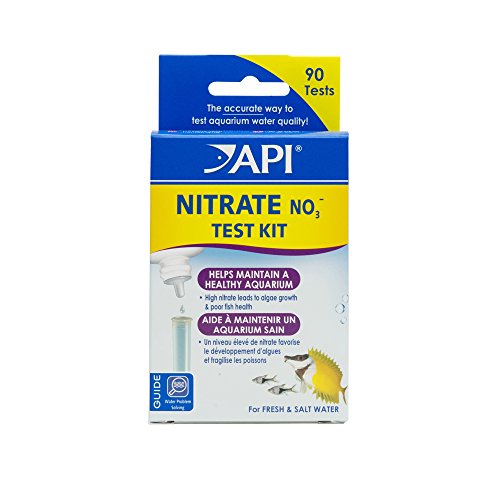
Best for: hobbyists who want reliable, simple nitrate monitoring to prevent problems before they arise. The kit detects nitrate levels from 0 to 160 ppm and includes testing solutions, color cards, and a test tube with cap, providing a clear trend of nitrate changes.
Why selected: Regular nitrate testing is foundational for nitrate management. Knowing exact concentrations helps determine the need for water changes, filtration adjustments, or activated media use. This kit offers a straightforward way to track nitrate fluctuations over time.
Caution: Rely on fresh reagents and follow the included color comparison cards to avoid misreading results caused by lighting or user error.
Continuum Aquatics Bact Rox Nitrazex

Best for: tanks needing a strong biological filtration boost to tackle nitrates and related nitrite and ammonia. Bact Rox Nitrazex is a highly porous media designed to maximize bio-filtration across freshwater and marine systems.
Why selected: With a vast surface area, this medium supports robust bacterial colonization that converts harmful ammonia and nitrite more efficiently, reducing overall nitrate buildup over time.
Limitation: It works best as a component of a larger filtration setup; media alone may not replace routine water changes or other nitrate-reducing practices.
Kordon AmQuel Plus Aquarium Water Conditioner

Best for: aquarists who need rapid detoxification of ammonia, nitrite, and nitrate, especially during cycles, after stock additions, or when nitrate spikes occur. This conditioner is compatible with other water conditioners and medications.
Why selected: Immediate detoxification can prevent stress and toxicity while longer-term nitrate control strategies take effect, making it a practical emergency option.
Limitation: Detoxification does not reduce nitrate levels long-term; it provides a temporary safeguard during water changes or adjustments.
MICROBE-LIFT Xtreme Water Conditioner
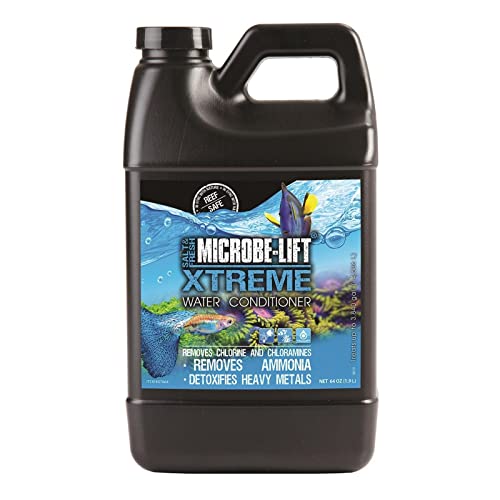
Best for: new tank setups and water changes where rapid conditioning and stabilization are needed. Xtreme conditions water, detoxifies nitrite and ammonia, and detoxifies chlorine while maintaining water chemistry stability.
Why selected: It helps establish a healthy starting environment for aquatic life and supports stability after nitrate-reducing interventions are made.
Caution: It is an all-in-one conditioner; ensure you follow dosing guidelines to avoid over-conditioning or unintended interactions with other products.
MICROBE-LIFT Nite-Out II For Aquariums

Best for: hobbyists seeking a bacteria-based approach to reduce ammonia and nitrite, which indirectly lowers nitrate by stabilizing the nitrogen cycle. Effective in both freshwater and saltwater setups.
Why selected: A robust nitrification process minimizes nitrate accumulation by speeding the conversion of ammonia to nitrate and beyond, supporting healthier tank conditions overall.
Limitation: Requires proper dosing and ongoing maintenance; results depend on compatible tank conditions and biological balance.
MICROBE-LIFT Nite-Out II Gallon Size

Best for: larger tanks or multiple aquariums needing scalable bacterial amendments to support ammonia and nitrite reduction, which indirectly helps manage nitrates over time.
Why selected: A high-volume option supports ongoing biological filtration improvements, reducing spike risk during maintenance or stock changes.
Limitation: Effective use depends on proper distribution and consistent dosing aligned with tank size and bioload.
Brightwell Aquatics ShrimpFlorinBacter

Best for: planted shrimp tanks needing natural nutrient breakdown and improved substrate conditions to lower nitrate buildup. ShrimpFlorinBacter digests waste and reduces excess nutrients.
Why selected: By facilitating breakdown of organics and debris, this product supports cleaner water and helps maintain lower nitrate levels in sensitive setups.
Caution: Enzyme-based products may interact with some biological filtration media; monitor tank conditions after introduction.
Buying Guide: Nitrate Control For Freshwater Aquariums
What should I test regularly?
Test nitrate levels with a reliable kit (like the API Nitrate 90-Test). Regular testing helps you decide when to perform water changes or adjust filtration.
Which methods provide lasting nitrate reduction?
Biological filtration media (e.g., Bact Rox Nitrazex) and live bacteria products (Nite-Out II, Nite-Out, and similar) promote nitrification and help keep nitrates lower over time.
When are water conditioners appropriate?
Use detoxifying conditioners during cycles, after stock additions, or during emergencies to protect fish from ammonia and nitrite spikes while long-term nitrate control is implemented.
How do I combine approaches safely?
Use a combination of testing, biological media, and conditioned water changes. Avoid overstocking and excessive dosing; follow product instructions and monitor water chemistry after additions.
Is automatic dosing necessary?
Not always. Start with testing and targeted actions, then add bacterial media or conditioners if nitrate persists or water quality is unstable.
FAQs
- Q: Can I rely on a nitrate test alone to manage my tank? A: No. Testing should guide actions, but filtration media and water changes are usually needed for continuous control.
- Q: Do all nitrate-reducing products work the same in freshwater and saltwater? A: Many do, but check product guidance for compatibility with your setup.
- Q: How often should I test for nitrates? A: At least biweekly during normal conditions; more often during cycling or after changes.
- Q: Can these products replace water changes? A: They supplement water changes but do not fully replace them for sustained nutrient management.
- Q: Are there any risks with conditioners and buffers? A: Follow dosing directions to avoid pH shifts or interactions with other chemicals.