Answering common buyer questions: these micro bubble air stones deliver ultra-fine, oxygen-rich bubbles that improve dissolved oxygen in small tanks, nano tanks, and hydroponic systems. They are best for hobbyists seeking quiet operation, low maintenance, and dense bubble output. If you need precise bubble control, choose models with adjustable valves; if you want quiet performance, look for nano or sintered designs. Below are five top options to help you compare performance, durability, and suitability for your setup.
The table below summarizes the five products highlighted in this article. It covers purpose, best use cases, and notable strengths to help quick comparisons.
| Product | Best For | Key Strength | Notes |
|---|---|---|---|
| Hygger 2.6 Inch Nano Air Stone | Small aquariums and hydroponics | Dense, ultra-fine bubbles; adjustable flow | Stainless steel base adds durability |
| Hygger Nano Bubble Stone Kit | Quiet, high DO in nano tanks | High DO rate; silent operation | Nano material sintered for longevity |
| Hygger Bubble Strip 5.9 Inch | Bubble curtain in larger nano setups | Even micro-bubbles; low noise | Self-sinking design |
| Pawfly 1 Inch Air Stone (10 Pack) | Lots of tiny bubbles in multiple small tanks | Dense bubbles; adjustable flow | Includes tubing compatibility |
| AQUANEAT 1 Inch Nano Bubble Stone | Stable, quiet DO diffusion | Dense bubbles; easy to use | Includes tubing/valves accessories |
Hygger 2.6 Inch Nano Air Stone

This air stone refines pump output into dense, ultra-fine bubbles that resemble a mist. Best for small aquariums, hydroponics, and compact fish tanks. The adjustable blue control valve lets you tailor bubble intensity for various organisms and plants, helping to raise dissolved oxygen while potentially moderating carbon dioxide levels. The design uses a sintered nano material with a stainless steel base for durability and reduced clogging risk. Choose this if you want precise, adjustable diffusion and a compact, sturdy build. Caution: the stone may require occasional cleaning to maintain pore openness over long use.
Hygger Nano Bubble Stone Kit

This nano bubble stone emits smaller, denser bubbles with an atomization-like effect. The gas-water interface benefits from higher dissolved oxygen due to increased bubble surface contact. The nano stone is sintered at high temperatures, ensuring durability and an extended service life. It is best for users prioritizing a quiet, high-oxygen output in nano tanks or hydroponic setups. Caution: as with all micro-stone diffusers, performance can vary with pump power and tubing sizing.
Hygger Bubble Strip Nano Air Bubbler

The bubble strip forms an even array of micro-bubble holes, delivering mist-like bubbles that stay suspended longer. This improves surface contact between gas and water, enhancing dissolved oxygen in both freshwater and saltwater setups. The design uses durable PVC and ABS materials and is self-sinking, so it stays in place at the tank bottom. Best for longer tanks or tanks needing a blanket of micro-bubbles; better for low-noise environments.
Pawfly 1 Inch Air Stone (10 Pack)

Each 1-inch air stone is small but sturdy, designed for nano tanks and multiple small buckets. The stone produces a cascade of tiny bubbles that boost oxygen solubility. It includes a two-way control valve for manual flow adjustment and fits standard tubing. Best for hobbyists running several tiny tanks or those who want flexible bubble output in a compact kit. Caution: performance depends on pump power; ensure your pump meets the recommended range for effective diffusion.
AQUANEAT 1 Inch Nano Bubble Stone
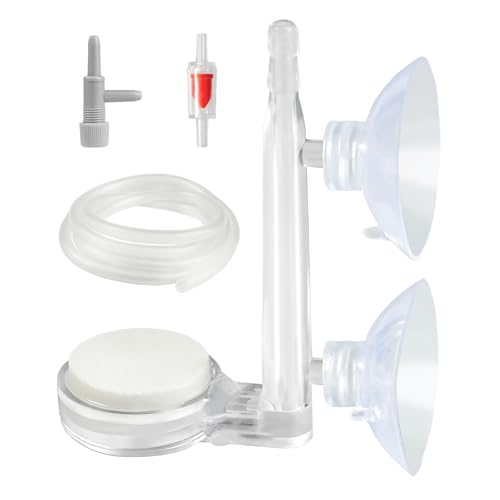
This diffuser generates dense, small bubbles to increase oxygen solubility and promote a calm aquarium environment. It includes tubing and valves for straightforward setup and flow adjustment. Best for nano tanks and small aquariums where quiet, reliable diffusion is a priority. Caution: ensure tubing compatibility with your pump and avoid over-tightening to prevent leaks.
Buying Guide: Key Purchase Considerations
What size should you pick for your tank?
- For nano and small tanks, 1-inch or 2.6-inch stones are ideal. They provide dense diffusion without overwhelming the water volume.
- For longer or wider tanks, consider bubble strips or multi-stone kits to create a more even diffusion across the water column.
How important is material and durability?
- Sintered nano stones with stainless steel bases tend to resist clogging and last longer in hydroponic or marine conditions.
- Durable PVC/ABS components help prevent leaks and maintain structural integrity in submerged applications.
Is adjustable flow necessary?
- Yes, if you keep different aquatic life or plants. An adjustable valve lets you tailor oxygenation without creating excessive bubbles that stress fish or plants.
- In quiet setups, look for nano stones with low-noise operation and stable bubble production.
What about installation and maintenance?
- Check tubing compatibility (inner diameter and standard sizes). Some units include valves or check valves to prevent backflow.
- Regular cleaning helps prevent pore blockage. Avoid harsh cleaners that could leave residues in the water.
FAQ
- What is a nano air stone best used for? Answer: Nano air stones excel in small tanks and hydroponic setups where precise, low-volume diffusion and quiet operation are desired.
- Do these stones need special maintenance? Answer: Periodic cleaning is recommended to prevent pore clogging and maintain gas transfer efficiency.
- Can I use any air pump with these stones? Answer: Most nano and micro stones work with standard aquarium air pumps, but verify tubing size and recommended power for best results.
- Will denser bubbles raise pH or affect water chemistry? Answer: Increased dissolved oxygen can influence gas exchange, which may affect pH over time; monitor your tank if you adjust bubble density significantly.
- Which product is best for a quiet nano tank? Answer: Nano stone kits with finely tuned bubbles and sintered materials are typically the quietest options.
- Is a bubble strip better than a single stone? Answer: For longer tanks or when seeking broad diffusion, a bubble strip can provide a more even blanket of micro-bubbles across the water column.