Maintaining optimal CO2 levels is essential for flourishing planted aquariums. This article presents a detailed review of the best planted aquarium CO2 systems available on Amazon, combining efficiency, durability, and ease of use. Whether you need a compact CO2 regulator for nano tanks or a powerful generator for larger setups, these selections cover various requirements for aquatic plant enthusiasts.
| Product Name | Brand | Type | Ideal For |
|---|---|---|---|
| Fzone 2.5 L Aquarium CO2 Generator System | FZONE | CO2 Generator Kit | Medium to Large Aquariums |
| API CO2 Booster Freshwater Aquarium Plant Treatment | API | Liquid CO2 Supplement | All Planted Aquariums |
| FZONE Desktop Aquarium CO2 System with Disposable Cartridge | FZONE | Portable CO2 Regulator | Nano and Small Tanks |
| JARDLI Glass CO2 Drop Checker CO2 Monitor Kit | JARDLI | CO2 Level Monitor | All Planted Aquariums |
| Clscea Aquarium CO2 Generator Kit Double Pressurization | Clscea | CO2 Generator Kit | Medium to Large Aquariums |
Fzone 2.5 L Aquarium CO2 Generator System

The Fzone 2.5 L CO2 Generator System offers a robust DIY setup crafted from 1.5mm thick SUS304 stainless steel, which is 25% thicker than many competitors. It delivers steady CO2 production for about a month at 1 bubble per second (bps) for 8 hours daily. The package includes a high-precision needle valve with a built-in check valve to prevent water backflow and protect the tank from corrosion. The system features a safety valve that releases excess pressure, ensuring safe operation under high pressure up to 80kg/cm². This kit is ideal for aquarium hobbyists looking for a durable and efficient CO2 generation with fine control over output.
API CO2 Booster Freshwater Aquarium Plant Treatment
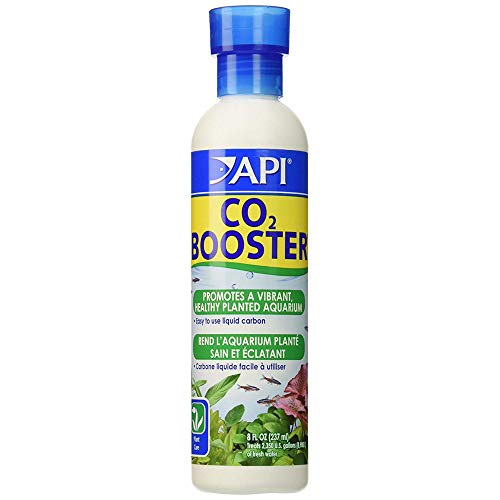
API’s CO2 Booster provides a liquid carbon supplement for freshwater planted aquariums. It promotes robust plant growth by supplying carbon in a form readily absorbable by aquatic plants. This formula is ideal for aquarists who prefer a simple, maintenance-free method to enhance CO2 levels without the complexity of pressurized systems or generators. The 8 fl oz bottle fits any planted tank, supporting healthy and vibrant plant life. Due to its liquid nature, it suits all tank sizes and requires regular dosing.
FZONE Desktop Aquarium CO2 System with Disposable Cartridge

This compact and portable CO2 system by FZONE is specially designed for nano or desktop aquariums. The CO2 regulator is lightweight and measures just 9.84 inches tall and 1.96 inches wide. It fits standard 5/8″ threaded tanks and includes a 3/8″ adapter. Equipped with a 45g disposable CO2 cartridge, the system lasts up to 50 days running at 1 bps for 8 hours daily, providing high-density liquid CO2 efficiently. Its slim profile and simple setup make it perfect for small spaces, balancing convenience and functionality.
JARDLI Glass CO2 Drop Checker – CO2 Monitor Kit
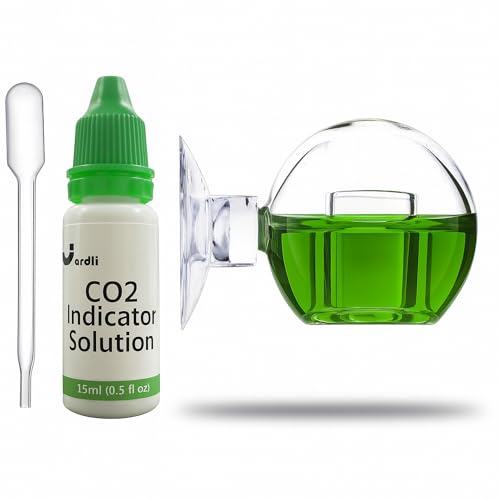
The JARDLI CO2 Drop Checker is an essential accessory for monitoring CO2 concentrations. It comes filled with a 4dKH indicator solution — no mixing required. The color-changing solution provides clear visual cues: green indicates optimal CO2 levels, blue means too low, and yellow signals excess CO2. This device attaches with a suction cup inside the tank for continuous monitoring, helping aquarists maintain ideal CO2 levels to promote plant health and avoid potential plant stress or algae outbreaks.
Clscea Aquarium CO2 Generator Kit Double Pressurization

The Clscea G700S Double Pressurization CO2 Generator Kit combines strength and efficiency in a compact body. Its thickened SUS304 stainless steel cylinder stores gas comparable to a 4L CO2 tank, providing a powerful CO2 supply. The triple stainless steel filter element enhances durability and reduces solenoid valve failure compared to plastic filters. This unit is designed for safety and long-term use with all major components crafted from premium stainless steel to withstand corrosion, making it suitable for aquarists wanting a reliable generator for medium to large planted tanks.
Buying Guide for Planted Aquarium CO2 Systems
Understanding CO2 System Types: Aquarium CO2 systems generally come as either pressurized kits, DIY generators, liquid supplements, or monitoring tools. Pressurized regulators provide consistent dosing but can be bulky and expensive. DIY generators use fermentation to produce CO2 affordably but require maintenance. Liquid CO2 supplements are easy to use but offer less control over precise levels. Monitoring devices like drop checkers help maintain safe CO2 concentrations for plant health.
Tank Size and Setup: The volume of your aquarium strongly influences the CO2 system you need. Small or nano tanks perform best with compact kits or liquid treatments. Medium to large planted tanks demand reliable pressurized systems or generators to maintain effective CO2 levels.
Durability and Materials: Look for systems made from high-quality materials such as stainless steel, which resist corrosion and extend the lifespan of your CO2 equipment. Cheaper plastic components may deteriorate faster and impact system reliability.
Ease of Control and Fine-Tuning: Precision needle valves allow for steady bubble rates, helping maintain stable CO2 dosing and avoiding fluctuations that could harm plants or promote algae. Systems with built-in bubble counters and check valves enhance safety and monitoring.
Portability and Space: Desktop or nano aquarium setups benefit from miniaturized CO2 systems that conserve space without sacrificing performance. Evaluate the physical footprint and compatibility with available tanks and accessories.
Safety Features: CO2 tanks and generators should have safety valves to release excess pressure and prevent accidents. Check valves that stop water backflow protect the equipment and prevent corrosion.
Monitoring Tools: Incorporate CO2 drop checkers or digital monitors to visually track CO2 concentrations. Proper monitoring prevents under or overdosing CO2, ensuring an optimal environment for aquatic plants.
Budget Considerations: Balance the initial investment against long-term operational costs such as CO2 refills, raw materials, or liquid supplements. DIY generators offer low entry costs but require ongoing upkeep, while pressurized systems typically have higher upfront costs but simpler maintenance.