Raising aquarium pH safely requires choosing products designed to increase alkalinity and stabilize water chemistry without harming fish or beneficial plants. This guide highlights five reliable options for freshwater and reef setups, explains who each product is best for, and notes practical limitations. Use these recommendations to match your tank’s needs, whether you keep community freshwater fish, plants, or delicate reef inhabitants.
| Product | Best For | Key Benefit |
|---|---|---|
| API pH UP Freshwater Aquarium Water pH Raising Solution (4 oz) | Small freshwater tanks; beginners | Phosphate-free formula; safe for plants and fish |
| API PROPER pH 7.0 Freshwater Stabilizer (8.8 oz) | Tanks without live plants; pH stabilization | Sets neutral pH and removes toxins from tap water |
| API pH UP Freshwater Aquarium Water pH Raising Solution (16 oz) | Medium to large tanks; frequent adjustments | Phosphate-free; supports plants and fish |
| KORDON pH Increase Adjuster (16 oz) | Fresh and saltwater tanks; rapid changes | Fast-acting alkaline adjustment; works with stabilizers |
| Brightwell Aquatics pH+ Alkalinity Booster (125 ml) | Reef and saltwater systems; stable parameters | Raises pH and alkalinity; supports coral health |
API pH UP Freshwater Aquarium Water pH Raising Solution (4 oz)
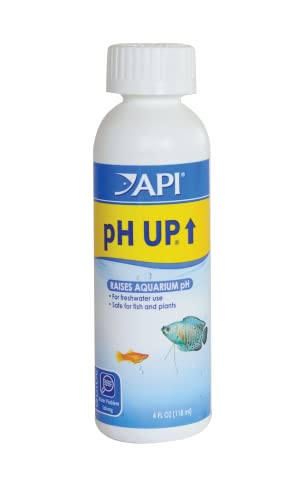
Features include a phosphate-free formula that raises freshwater pH and remains safe for plants and fish. This product is best for small tanks where quick, gentle pH adjustments are needed without promoting algae growth. A potential limitation is that frequent small adjustments may be required in tanks with fluctuating water sources.
API PROPER pH 7.0 Freshwater Aquarium Stabilizer (8.8 oz)

This product is designed for freshwater tanks that do not contain live plants and helps set and stabilize pH to neutral, aiding in fish health and color. It also removes some toxic compounds from tap water. Use this when your water tests show a need for neutral pH and you want a stable baseline; it may be less suitable for planted tanks where higher alkalinity is desired.
API pH UP Freshwater Aquarium pH Raising Solution (16 oz)

A larger bottle option for ongoing pH management in medium to big tanks. It raises freshwater pH with a phosphate-free formula and is safe for plants and fish. The larger volume reduces the frequency of purchases but requires careful dosing to avoid sudden pH swings in sensitive setups.
KORDON #35316 pH Increase Adjuster (16 oz)

Best for quickly boosting pH in both freshwater and saltwater tanks. It works well with pH stabilizers to maintain a steady level. A caution is to monitor alkalinity closely as rapid changes can stress some species; avoid in tanks with very low buffering capacity unless dosing is gradual.
Brightwell Aquatics pH+ Alkalinity Booster (125 ml)
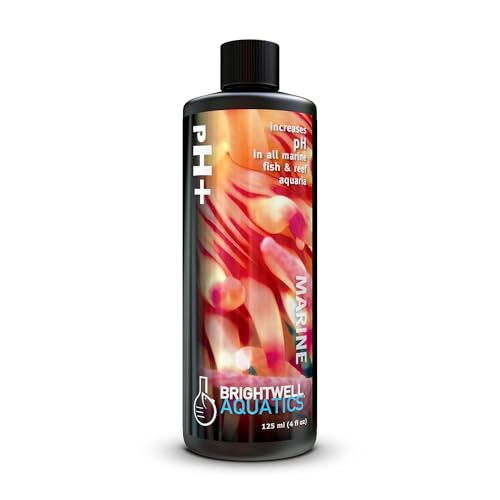
Designed for reef and saltwater systems, this booster raises both pH and alkalinity to strengthen carbonate buffering. It helps stabilize parameters and supports coral health and growth. It may be less necessary in freshwater tanks unless you specifically need higher alkalinity to combat dissolved CO2 or low buffering capacity.
Buying Guide: Key Considerations For Raising pH In Aquariums
What type of tank are you maintaining? Freshwater tanks often benefit from gentle, gradual pH increases, especially in planted setups. Reef and saltwater systems require careful balancing of pH with alkalinity to avoid swings that stress corals. How much buffering capacity does your water have? Tanks with high buffering resist pH changes; you may need stronger or repeated dosing. Do you have live plants? Some formulas are phosphate-free and plant-safe, important to prevent algae blooms. How quickly do you need changes? Rapid adjustments can shock fish; slower, incremental dosing is usually safer. Consider whether you want a single-use product or a larger bottle for ongoing maintenance.
How To Choose The Right pH Up Product
- For small tanks or new setups, start with a low-dose, phosphate-free product to avoid sudden swings.
- For tanks without live plants, stabilizers that neutralize pH and detoxify tap water can provide a stable baseline.
- If you manage a reef or high-alkalinity system, prioritize products that raise pH and alkalinity together to strengthen buffering.
- Monitor water parameters regularly with reliable test kits to adjust dosing accurately.
Practical Tips And Warnings
- Always add pH adjusters gradually and test after each dose.
- Avoid mixing different pH-modifying products in the same container.
- Be mindful of the tank’s buffering capacity to prevent overcorrection.
- Keep products out of reach of children and follow label instructions exactly.
Frequently Asked Questions
- Q: How quickly should pH be raised? A: Aim for gradual changes over days rather than hours to prevent stressing fish.
- Q: Can I use pH Up in heavily planted aquariums? A: Yes, but choose phosphate-free formulas and monitor plant responses.
- Q: Do these products affect hardness (KH) or GH? A: Some raise alkalinity (KH) as a side effect; check product details and test both KH and GH.
- Q: Is a neutral pH always ideal for all fish? A: Not necessarily; many species prefer specific ranges. Test and adjust according to the inhabitants.
- Q: Should I switch between products? A: Stick with one method for a period to gauge stability before trying alternatives.
- Q: When is it best to use a reef-specific product? A: When maintaining reefs or stony corals that require stable, higher alkalinity and pH.