When selecting reef tank filter media, prioritize materials that promote biological balance, remove impurities, and support coral health. This guide highlights five top options suited for hobbyists seeking reliable water quality in reef setups. Best for reef keepers who want a combination of mechanical filtration, biological efficiency, and chemical polishing in canister or sump systems. The table below compares each product’s primary role and ideal tank type.
| Product | Best For | Key Benefit |
|---|---|---|
| Reefing Art Ceramic Bio Filter Media | Reef, Planted, and Mixed Aquariums | Large surface area for bacteria, ammonia/nitrite removal |
| Sunjojo Aquarium Filter Media | Small to medium tanks, versatile filtration | 8-layer design with bio-sponge and nano layers for multi-phase filtration |
| Fluval BioMax Biological Material Remover | Biological filtration in established systems | Premium biological media to reduce ammonia and nitrates |
| Aquatic Experts FilterFirst Pad | Canisters, sumps, HOB setups | Dual-density, cut-to-fit for strong mechanical polishing |
| Fluval Zeo-Carb Chemical Filter Media | Water clarity and odor control | Combo carbon and zeolite-like filtration for impurities and color |
Note: The following sections provide detailed, objective descriptions of each product, including best-use scenarios, limitations, and why they may fit your reef system. Frequencies for maintenance and replacement vary by tank bioload and filter type.
Reefing Art Ceramic Bio Filter Media
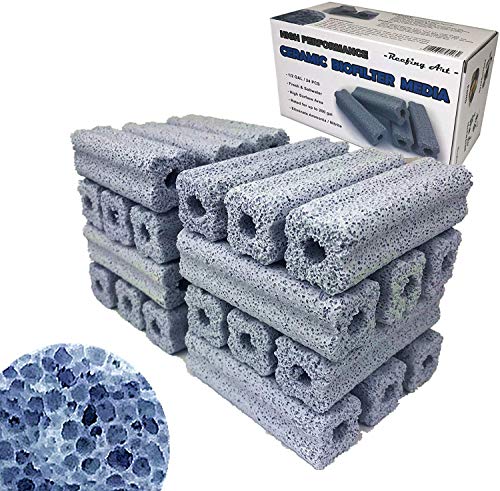
Each box contains 24 pieces designed to maximize surface area and porosity. It helps remove ammonia and nitrite, supporting a stable environment for freshwater, pond, and saltwater systems. Best for reef setups needing high biofiltration capacity. The product emphasizes vast surface area and porous internal structure for efficient filtering in sumps or canisters. A potential limitation is that media effectiveness depends on adequate water flow and regular cleaning to prevent clogging.
Who this is best for and why: Reef keepers seeking robust biological filtration with high surface area in a compact package will benefit from this media. It supports bacteria establishment critical for reef health when paired with other mechanical and chemical filtration.
Caution: Avoid using this media if water flow is restricted or if you do not have space for proper circulation; inadequate flow reduces contact time and filtration efficiency.
Sunjojo Aquarium Filter Media (8-Layer Sponge Pad)

This 15.7″ x 11.8″ x 0.6″ pad offers eight filtration layers, including honeycomb mesh, three-dimensional fiber, fine mesh fiber, and nano bio sponge. It’s designed to be cut to fit various filter configurations, from hang-on-back to canister and even pond systems. Best for hobbyists who want a single, adaptable media that handles mechanical and biological filtration in one unit. The design emphasizes durability and easy cleaning, reducing substitution frequency. A limitation is the need to regularly rinse to maintain flow, which may require more maintenance time in heavily stocked tanks.
Who this is best for and why: Ideal for reef aquariums with mixed bioload who prefer a versatile, cut-to-fit pad that can work across multiple filter types without swapping media frequently.
Caution: If you routinely medicate the tank, remove this media during treatment to avoid absorbing medications and transporting residues back into the water.
Fluval BioMax Biological Material Remover
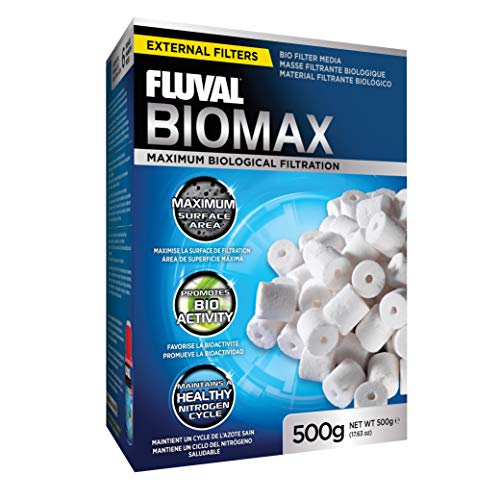
BioMax media provides premium biological filtration with a porous design that optimizes contact time as water passes through. It’s compatible with Fluval filter series and aims to reduce ammonia and nitrate levels while supporting a stable nitrogen cycle. Best for established reef tanks or systems where a strong biological phase is needed to maintain clear water and healthy microbial balance. A potential limitation is that effectiveness depends on proper placement within the filter and adequate flow rates.
Who this is best for and why: Suitable for reef keepers who maintain moderated bio-load and want a reliable, dedicated bacterial media upgrade within compatible Fluval canisters or sumps.
Caution: Do not rely solely on BioMax for chemical filtration; pair with mechanical and chemical media as appropriate for your water parameters.
Aquatic Experts FilterFirst Pad

FilterFirst Pad is a 12″ x 72″ roll designed for easy trimming to fit canisters, sumps, or HOB systems. It features two layered densities that trap large debris and fine particles, delivering crystal-clear water while maintaining steady flow. Best for reef tanks needing strong mechanical filtration with minimal premature clogging. A limitation is that this is a general filtration media, so you may need to pair it with biological and chemical media for comprehensive filtration.
Who this is best for and why: Choose this if you want a budget-friendly, cut-to-fit option that provides reliable debris removal in various filter configurations commonly used in reef setups.
Caution: Regular rinsing is recommended to prevent buildup that could impede flow in high-flow systems.
Fluval Zeo-Carb Chemical Filter Media

Zeo-Carb is a premium blend designed to remove impurities, odors, and discoloration in freshwater and reef tanks. It integrates chemical filtration with a large surface area for absorption. Best for reef systems needing improved water clarity and reduced odors without compromising beneficial bacteria. It’s important to note that chemical media should be used carefully when medications or live plants are present, and it may require periodic replacement to maintain efficacy.
Who this is best for and why: Reef keepers needing enhanced water clarity and odor control will benefit from Zeo-Carb’s chemical filtration. It complements biological media to maintain a balanced aquarium environment.
Buying Guide: Reef Tank Filter Media Essentials
What should I consider when choosing reef tank filter media?
Consider the tank size, filtration type (canister, sump, or hang-on), and bioload. Biological media supplies beneficial bacteria; mechanical media traps debris; chemical media targets dissolved compounds and odors. For reef systems, a balanced mix is often ideal.
How do I choose the right combination for my reef tank?
Use a layered approach: start with mechanical media to capture particulates, add biological media to support the nitrogen cycle, and include chemical media to manage coloring agents, odors, or medications. Match media to the filter model compatibility and maintenance capacity.
What maintenance schedule works best?
Rinse or replace mechanical media every 2–4 weeks depending on bioload. Inspect biological media monthly and replace when signs of wear appear. Chemical media typically lasts 2–6 weeks, or according to manufacturer guidance and water parameter tests.
What are common pitfalls to avoid?
Avoid overloading media in a single chamber, which can restrict flow. Do not mix incompatible chemical media with medications; remove chemical media during treatment. Maintain consistent water flow to preserve filtration efficiency.
How do I size media for a reef system?
Choose media compatible with your filter’s volume and flow rate. Larger tanks often benefit from multiple media types in different compartments to maximize contact time and filtration efficiency.
Can I use these media together?
Yes, typically you’ll use mechanical media first, followed by biological, with chemical media placed in a way that ensures contact with water flow. Ensure the media is compatible with your filter and reef equipment.
FAQ
Is biological media enough for reef tanks?
Biological media is essential for ammonia and nitrite processing, but chemical and mechanical media are often needed to maintain water clarity and odor control in reef systems.
How often should I change chemical media in a reef tank?
Typically every 2–6 weeks, or when tests show reduced filtration effectiveness. Follow manufacturer guidance and monitor water parameters.
Can I cut filter media to fit my filter?
Yes, many pads and rolls are designed to be cut to size. Ensure clean cuts to avoid fraying and maintain fit.
Should I remove media during medications?
Yes, remove chemical media during medication treatments to prevent unintended absorption and release of drugs.
What combination of media is best for a reef tank?
A combination of mechanical (for particulates), biological (for bacteria), and chemical (for contaminant removal) media tailored to your filter type yields best results.