When selecting river pebbles for an aquarium, the goal is to find natural, smooth stones that won’t alter water chemistry or harm aquatic life. This guide highlights five top options that balance aesthetics, durability, and safety. Each product suits different buyers—from beginner aquarists to terrarium enthusiasts—who want a clean, natural look without sharp edges. The table below compares the five picks to help you decide faster.
| Product | Best For | Key Benefit | Limitations |
|---|---|---|---|
| OUPENG Pebbles Polished Gravel | General freshwater aquariums and terrariums | Natural colors, lightly polished for smooth feel | Natural tones may include mixed shades; some stones may vary in shape |
| Zoo Med Aquatic River Pebbles for Turtle | Turtle habitats | Pre-washed and ready to use | Not suitable for softshell turtles |
| Virekm Decorative Stones | Indoor/outdoor décor + aquariums | Natural, round and soft; varied colors | Small stones; handle with care around small children |
| Voulosimi River Rock Stones | Plant aquariums and landscape features | Wide color variety; durable | Smaller size; color mix varies |
| YISZM Aquarium Gravel (5 lbs) | Plant-friendly tanks and terrariums | No dyes; natural tone; good for drainage and aesthetics | May require rinsing to remove dust |
OUPENG Pebbles Polished Gravel
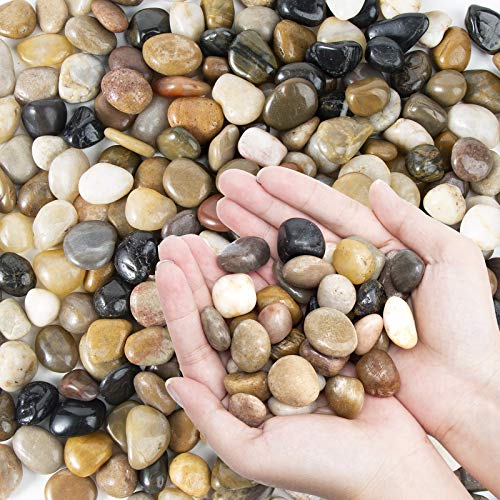
Natural stones lightly polished for a smooth texture and long-lasting color. The mix includes browns, whites, and blacks, offering a natural riverbed look. Best for beginners creating a soft, low-maintenance substrate in freshwater tanks or accenting terrarium setups. Caution: Some stones may arrive in varied shapes and sizes due to natural formation.
Who it’s best for and why
- Best for: New aquarium owners seeking a natural appearance with minimal maintenance.
- Why: The stones’ natural hues and gentle polish reduce sharp edges while enhancing visual depth in any tank.
Limitations to consider
- Natural variation means you might see color and shape differences between individual rocks.
Zoo Med Aquatic River Pebbles for Turtle

Pre-washed river pebbles designed for fully aquatic turtles and other species. This option is suitable for turtle tanks where durable, inert substrate is preferred. It should not be used for softshell turtles. Best for: turtle keepers who want a safe, clean substrate that’s easy to prep and maintain.
Who it’s best for and why
- Best for: Red-eared sliders and similar aquatic turtles needing a stable, non-reactive substrate.
- Why: Pre-washed pebbles reduce initial setup effort and minimize the risk of substrate-related contaminants.
Limitations to consider
- Not recommended for softshell turtles; consider species-specific substrates if you keep varied turtle species.
Virekm Decorative River Rocks
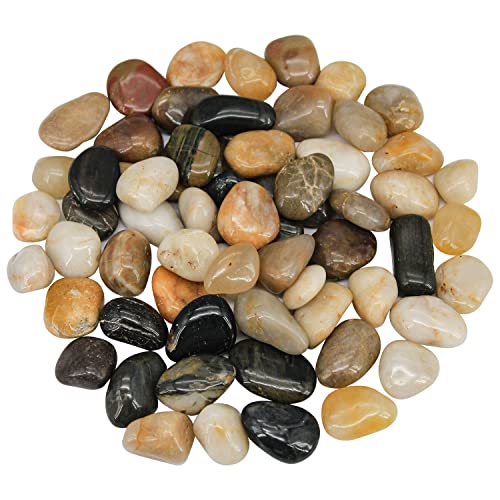
Natural decorative stones suitable for both indoor and outdoor use. Lightly polished, they come in a range of natural colors, ensuring a versatile look for flower arrangements, vases, water features, and aquariums. Best for: those seeking a cohesive, multi-use stone set that can transition from garden to tank displays.
Who it’s best for and why
- Best for: Decorative enthusiasts who want a uniform, color-rich option that works in multiple settings.
- Why: The natural tones and smooth texture provide a timeless riverbed aesthetic without sharp edges.
Limitations to consider
- Stones are small; supervise small children around them to avoid choking hazards.
Voulosimi 12 LBS River Rock Stones
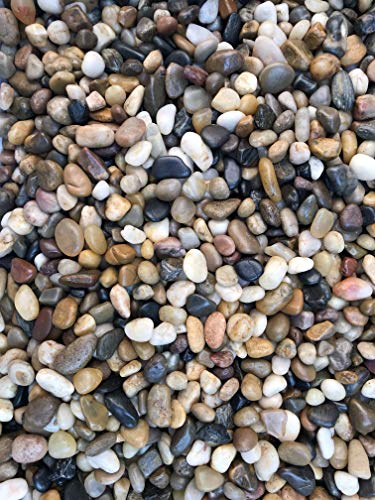
Ample volume with a natural mix of colors and shapes, designed for plant aquariums, landscaping, and vase fillers. Rocks are durable and sized around 0.32-0.48 inches, making them suitable for medium-to-small tanks and decorative arrangements. Best for: aquarists who want a robust, multi-purpose rock set for multiple display needs.
Who it’s best for and why
- Best for: Planters and small to medium tanks wanting a natural, varied look.
- Why: The larger 12-pound bag provides versatility for both aquariums and outdoor décor without frequent replenishment.
Limitations to consider
- Color mix can vary between shipments, so you may see tonal differences if you reorder.
NUPICK 3lb River Rocks for Plants

Three pounds of decorative rocks designed for indoor plants, with sizes around 3/8-5/8 inch. They are dye-free, oil-free, and resist fading in water. The surface is smooth with a few natural cracks, making them suitable for top or bottom placement in terrariums, planters, and fish tanks. Best for: plant lovers who want durable, fade-resistant pebbles with a natural appearance.
Who it’s best for and why
- Best for: Aquarium and terrarium enthusiasts who want a clean, natural look with practical drainage benefits.
- Why: The rocks promote moisture management and aeration while remaining aesthetically neutral.
Limitations to consider
- Rinsing may be needed to remove dust from some stones before use.
YISZM 5lbs Aquarium Gravel

Natural 5-pound bag of aquarium-grade gravel, 1/4 inch in size. No dyes or oils, making it suitable for fish tanks, turtle tanks, and general landscaping. This product is designed to provide a safe focal point while supporting plant growth through improved drainage. Best for: hobbyists seeking a compact, natural-toned substrate that won’t alter water chemistry.
Who it’s best for and why
- Best for: Small tanks and terrariums needing a reliable, non-toxic stone mix.
- Why: The lack of dyes and oils reduces potential contamination and keeps the focus on natural appearance.
Limitations to consider
- Smaller size means it’s easier for curious pets to move; ensure appropriate tank setup to prevent disruption.
Buying Guide
What to consider when choosing river pebbles for an aquarium
Substrate safety is essential. Look for natural stones that are inert, do not leach minerals, and are free from coatings. Consider the tank inhabitants and their comfort; some species prefer larger or rounded pebbles to avoid injury. Pebble size matters: 0.25–0.5 inches works well in many community tanks, while smaller grains suit nano tanks or delicate plants. For terrariums, select stones with smooth edges and natural colors to avoid scratches or injuries to curious pets.
Color and texture compatibility
Natural tones blend with most décor and create a peaceful backdrop for plants and fish. Smooth, lightly polished surfaces reduce the risk of tearing delicate fins or paws. If you plan to display multiple stone colors, ensure a cohesive palette to prevent visual clutter in the tank.
Maintenance considerations
Rinse pebbles before use to remove dust. Some bags may include minor dust; periodic cleaning during water changes helps maintain clarity. Stones that do not react with water are safer for long-term use in freshwater environments.
Shape and safety
Avoid sharp-edged rocks in tanks with small or inquisitive species. Look for rounded stones and verify that the product description notes a smooth finish. For tanks with burrowing or digging fish, medium-sized pebbles can help stabilize substrate without compacting the bed.
Usage versatility
River pebbles are versatile beyond aquariums. They work well in terrariums, planters, vase fillers, and water features, which can justify one purchase for multiple projects. When selecting, consider how you will reuse stones to maximize value and reduce waste.
FAQ
Are river pebbles safe for fish tanks?
Yes, when they are natural, inert, and free of dyes or oils. Rinse before use to remove dust and debris.
What size pebbles are best for small tanks?
Approximately 0.25 to 0.5 inches works well for many nano and small-tank setups.
Can pebbles affect water chemistry?
Quality natural pebbles are usually inert and unlikely to alter pH or hardness. Always verify product details if water chemistry is a concern.
Should I mix colors or choose a single tone?
Mixing tones can create depth, while a single tone provides a cleaner, minimalist look. Choose based on your tank’s overall theme.
Do these pebbles attract algae?
Pebble surfaces can accumulate algae over time; routine cleaning during water changes helps maintain clarity.