Best Tubing for Fish Tank: Top 5 Airline Tubes for Clear, Reliable Airflow
Clear, flexible airline tubing is essential for reliable aquarium aeration. This guide highlights five top options that fit common 3/16″ standard outlets and suit both freshwater and saltwater setups. Whether you’re upgrading an air pump, adding air stones, or maintaining a quiet, neat look, these tubes are selected for durability, kink resistance, and ease of routing. Best for: hobbyists setting up new tanks, those upgrading equipment, and keepers prioritizing simple maintenance.
| Product | Brand | Length | Diameter |
|---|---|---|---|
| Penn-Plax Aqua-Life Standard Airline Tubing | Penn-Plax | 25 ft | 3/16 in |
| AQUANEAT 50 Feet Aquarium Airline Tubing (Black) | AQUANEAT | 50 ft | 3/16 in |
| JIH Aquarium 50 Feet Standard 3/16″ Black Tubing | JIH | 50 ft | 3/16 in |
| Pawfly Aquarium Tubing 50 Feet Kit | Pawfly | 50 ft | 3/16 in |
| AQUANEAT 14 Feet Aquarium Tubing Kit | AQUANEAT | 14 ft | 3/16 in |
Penn-Plax Aqua-Life Standard Airline Tubing

Best for: New pond and aquarium setups that require a reliable, mid-length hose to connect pumps to air stones, filters, or decorative elements. The 25 ft length provides ample reach without excessive waste. This tubing is clear and flexible, reducing the chance of kinks and cracks over time. It blends into the tank’s interior, keeping equipment discreet.
Why selected: It offers dependable airflow connections and a low-profile profile that helps maintain a neat aquascape. The flexible material is less prone to cracking or hardening compared with stiffer hoses. A practical choice for routine maintenance and routine upgrades.
Limitation: As a standard tubing option, it is not specifically designed for heavy CO2 systems or high-pressure setups. Best for typical aeration tasks rather than specialized gas delivery.
AQUANEAT 50 Feet Black Aquarium Airline Tubing
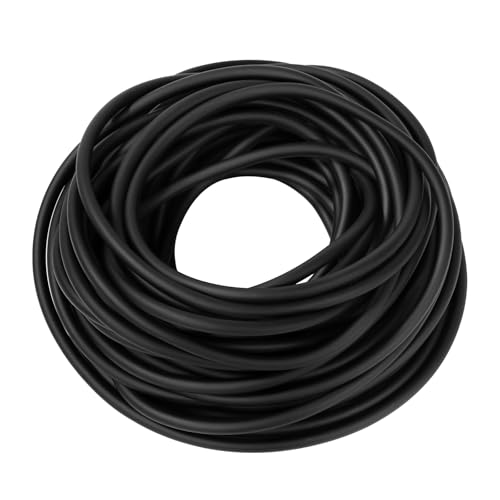
Best for: Systems where less visibility is desired. The long 50-foot black tubing helps conceal lines and blends with dark tank components, making it ideal for predator tanks or showcase setups. The 3/16″ diameter fits standard outlets and keeps a steady flow through longer runs.
Why selected: The black color reduces conspicuous tubing in visible aquariums and is noted for soft, pliable handling that resists hardening. It’s designed to withstand CO2 exposure and general wear, supporting longer-term use.
Limitation: Longer lengths may require careful routing to prevent accidental tangling or kinks at sharp corners. Ensure you have appropriate clamps or connectors for tight bends.
JIH Aquarium 50 Feet Black Airline Tubing

Best for: Aquarists who want effective concealment with a robust 50-foot run. The black tubing blends with most hydroponics or terrarium systems and fits 3/16″ standard outlets on pumps and filtration gear.
Why selected: It is marketed as reliable, flexible, and durable for hydroponics and aquatic setups, with a design tailored for long, uninterrupted airflow. The matte-black finish helps it disappear into the background of a busy tank arrangement.
Limitation: Heavy-duty length can be harder to rearrange in compact tanks; plan routing before installation to avoid rework.
Pawfly Aquarium Tubing Kit (50 Feet)
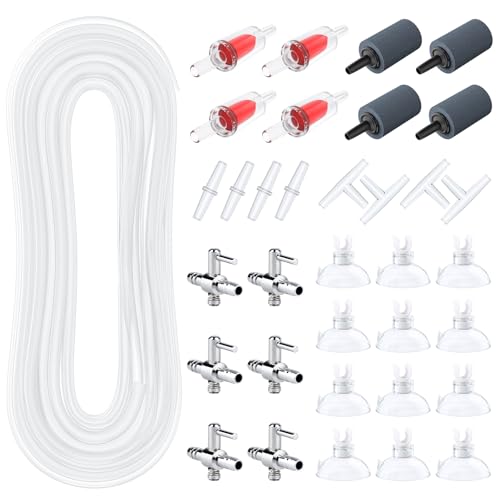
Best for: Hobbyists who prefer an all-in-one aeration kit. This 50-foot tubing includes four air stones, check valves, suction cups, and connectors, enabling straightforward setup and fine-tuned oxygen delivery.
Why selected: The kit combines tubing with essential accessories, helping maintain a steady airflow and improve oxygen distribution for delicate fish and thriving plants. Flexible tubing resists kinking and maintains shape through multiple tank routines.
Limitation: The included accessories are lightweight and may not meet all advanced filtration or high-demand setups. Consider upgrading to sturdier check valves or stones if needed.
AQUANEAT 14 Feet Tubing Kit (Clear)

Best for: Smaller aquariums or tanks where a short run is sufficient. The 14-foot kit pairs tubing with four air stones, check valves, T connectors, suction cups, and connectors for a complete aeration setup.
Why selected: It provides a compact, clear option that keeps cables and hoses discreet while ensuring consistent airflow for healthy fish and plants in smaller spaces.
Limitation: Shorter length means you may need to manage multiple shorter runs in larger tanks to achieve even oxygen delivery.
Buying Guide: Key Considerations For Tubing Selection
- Tank size and layout: Larger tanks or complex aquascapes benefit from longer lengths and flexible routing. Consider black tubing if you want to minimize visibility.
- Diameter compatibility: Most standard outlets use 3/16″ tubes. Confirm your pump fittings, air stones, and valves match this size to prevent leaks.
- Material durability: Look for kink resistance and flexibility to avoid hardening and cracking over time, especially in systems with CO2 or saltwater exposure.
- Color and concealment: Clear tubing blends with water, while black tubing hides lines in decorative or dark environments.
- Included accessories: Kits with air stones, check valves, and suction cups simplify setup, but assess the quality and compatibility of each accessory with your equipment.
- Maintenance and cleaning: Flexible, smooth interiors prevent buildup and are easier to clean between tank maintenance sessions.
FAQ
- Q: What length of tubing should I choose for a typical freshwater tank? A: For standard tanks, 25–50 feet provides flexibility for routing to multiple accessories without tension; choose longer only if needed for complex layouts.
- Q: Are black tubes better than clear tubes? A: Black tubes hide lines in visually busy tanks, which can improve aesthetics. Clear tubes are less conspicuous in simple setups but show lines more easily.
- Q: Do these tubes affect water chemistry? A: No. Airline tubing is primarily a physical conduit for air and does not chemically alter tank water when used as directed.
- Q: Can I reuse tubing across different tanks? A: Yes, flexible tubing can be cut to fit various setups. Inspect for wear, cracks, and kinks before reuse to prevent leaks.
- Q: What should I do if the tubing kinks frequently? A: Ensure proper routing around sharp corners, consider thicker or more flexible material, and avoid tight bends that exceed the tube’s bend radius.
- Q: Is a kit with air stones essential? A: Not essential, but a kit helps ensure even oxygen distribution, especially in larger tanks or systems with passive aeration requirements.